An Animal Feeding Guide: Applying Neural Networks for Trading
Category : aifortraders |
Sub Category : aifortraders Posted on 2023-10-30 21:24:53
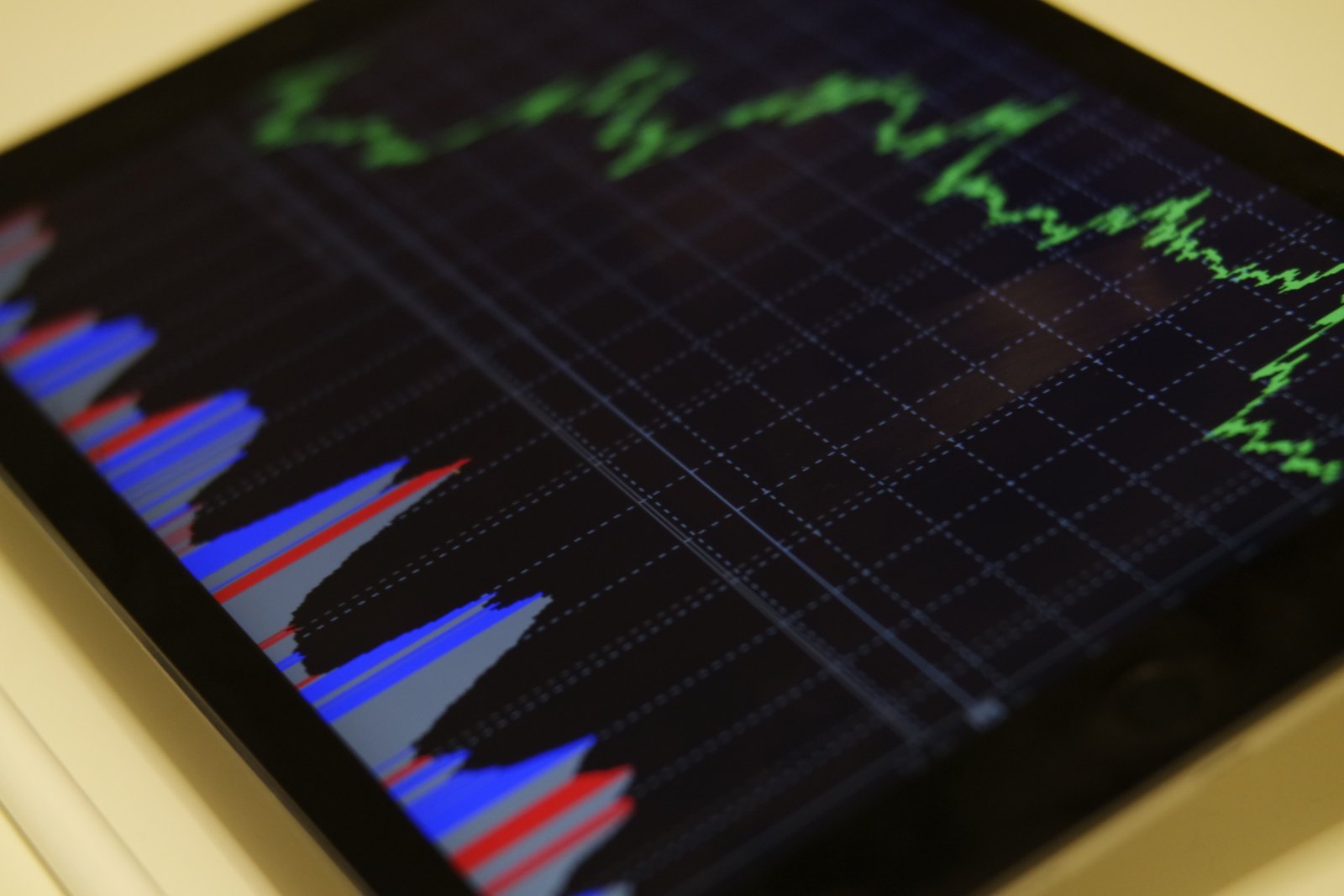
Introduction: As humans, we are always looking for ways to improve and optimize various aspects of our lives. From everyday tasks to complex decisions, we seek efficiency and accuracy. In recent years, the realm of artificial intelligence (AI) has made significant advancements, with neural networks being at the forefront of this technology. While traditionally used in fields like image recognition and natural language processing, neural networks are now making their way into the financial world. In this blog post, we will explore the exciting concept of using neural networks for trading, drawing parallels to an animal feeding guide. 1. Understanding Neural Networks: Before diving into the convergence of neural networks and trading, let's briefly overview neural networks. Neural networks are a computational model inspired by the human brain's neural connections. They consist of interconnected layers of artificial neurons, enabling them to learn patterns and make predictions. These networks are trained using vast amounts of data, allowing them to recognize complex patterns and make accurate decisions. 2. Analogies in Animal Feeding: When it comes to animal feeding, certain guidelines and diet plans are followed to ensure optimal health and growth. Similarly, the application of neural networks in trading can be seen as a feeding guide for investment decisions. Neural networks analyze large amounts of financial data and historical market trends to identify patterns and predict future price movements. This predictive power assists traders in making informed decisions, similar to how an animal feeding guide helps ensure the right nutrients are provided at the right time. 3. Benefits of Neural Networks in Trading: a. Pattern Recognition: Neural networks excel at pattern recognition, allowing them to identify subtle trends and anomalies within financial data. This ability gives traders an edge by detecting potential opportunities and avoiding pitfalls. b. Predictive Analysis: By analyzing historical market data, neural networks can generate accurate predictions regarding stock prices, currency exchange rates, or commodity prices. This information helps traders strategize investments and make informed decisions. c. Real-time Adaptability: Neural networks constantly analyze incoming data, enabling them to adapt to changing market conditions in real-time. Traders can rely on up-to-date information to adjust their investment strategies promptly. 4. Potential Challenges: While neural networks offer immense potential for trading, it is essential to acknowledge the challenges. These include: a. Data Quality and Quantity: Neural networks require vast amounts of high-quality data to deliver meaningful insights. Obtaining relevant and reliable financial data can be a complex task. b. Interpretability: Neural networks are often regarded as black-box models due to their complex internal workings. Understanding the decisions made by these networks can pose a challenge, requiring traders to exercise caution and validate their results. c. Overfitting Risks: Neural networks may tend to overfit the training data, resulting in inaccurate predictions when faced with new data. Careful training and validation techniques are necessary to mitigate this risk. 5. Conclusion: The fusion of neural networks with trading opens up new possibilities for investors and traders. Just as an animal feeding guide optimizes nutrition, neural networks serve as decision-making tools for traders, maximizing their chances of success. However, it is crucial to approach this technology with a comprehensive understanding of its capabilities and limitations. By leveraging neural networks' pattern recognition and predictive abilities, traders can make more informed and data-driven investment decisions, potentially improving their overall trading strategies. Remember, just like a well-balanced animal feeding guide is continually refined based on feedback and results, the incorporation of neural networks in trading is an ongoing process of learning and adaptation. By staying updated with the latest advancements in AI and continuously refining their models, traders can harness the power of neural networks to navigate the financial markets more effectively.


