How AI-powered Trading Signals are Revolutionizing the Bio-Food Industry
Category : aifortraders |
Sub Category : aifortraders Posted on 2023-10-30 21:24:53
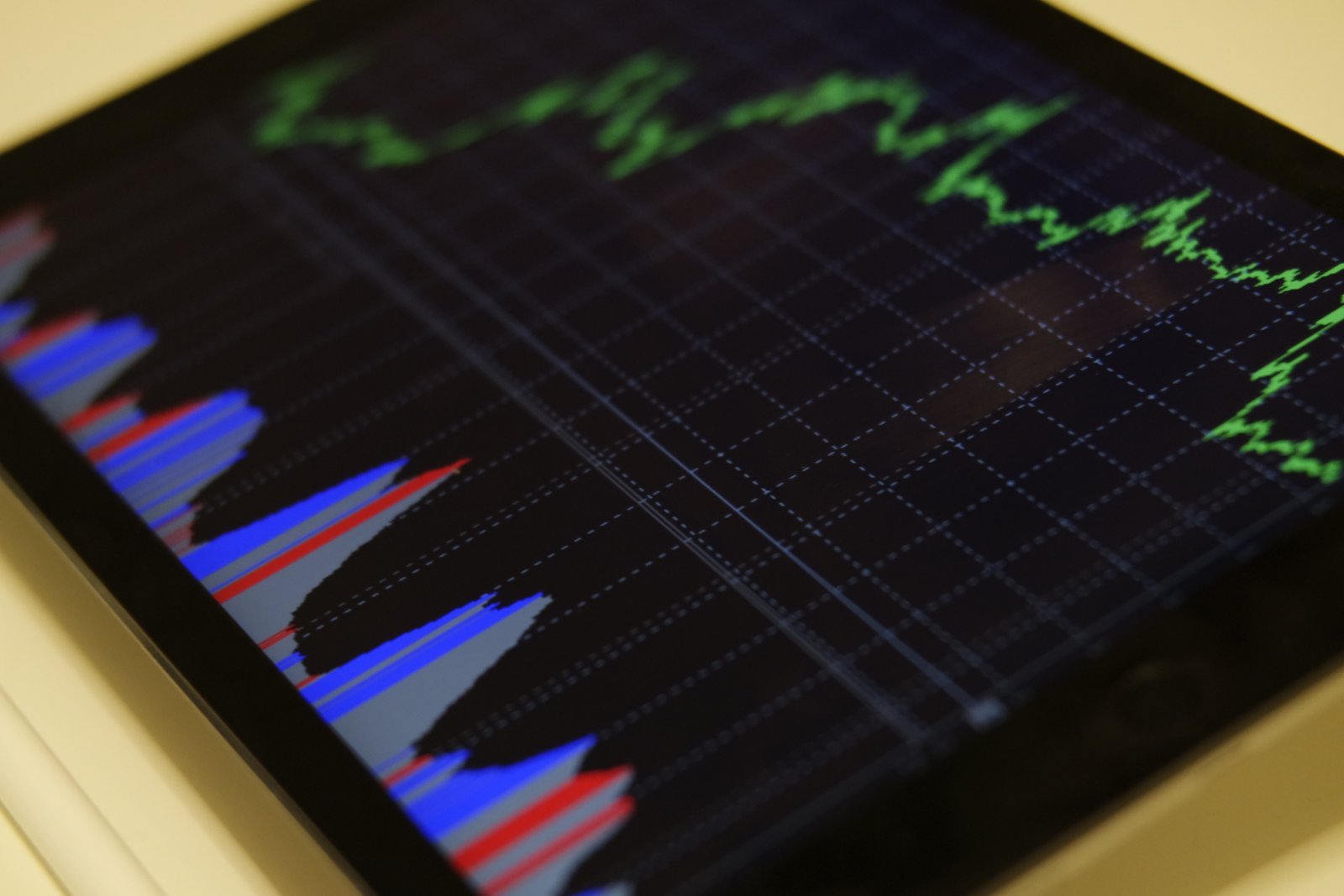
Introduction: The advancements in artificial intelligence (AI) have sparked a revolution in various industries, and the world of finance and trading is no exception. With the rise of AI-powered trading signals, investors and traders now have access to advanced technologies that can provide valuable insights, optimize investment decisions, and ultimately enhance profitability. In this article, we will explore how the integration of AI and trading signals is reshaping the bio-food industry, and how these innovative solutions are empowering stakeholders in making informed investment choices. 1. Understanding AI-powered Trading Signals: AI-powered trading signals are computer-generated indicators that help investors and traders analyze market data and make decisions. These signals are developed using sophisticated algorithms that can process vast amounts of historical and real-time data. By leveraging AI's capabilities, trading signals can identify trends, patterns, and potential market opportunities with increased accuracy, leading to more profitable trading decisions. 2. The Impact of AI-powered Trading Signals in the Bio-Food Industry: The bio-food industry encompasses a wide range of sectors such as sustainable agriculture, organic farming, alternative protein sources, and genetic engineering. As this industry expands, the need for reliable investment strategies becomes paramount. AI-powered trading signals offer a competitive advantage by combining data analysis and machine learning algorithms to identify emerging trends, consumer preferences, and market dynamics. a) Identifying Investment Opportunities: One of the significant advantages of AI-powered trading signals is their ability to identify investment opportunities in the bio-food industry. These signals can gather and analyze extensive data related to consumer habits, regulatory changes, and technological advancements. By interpreting this data, investors can identify promising companies or sectors to invest in, ensuring their portfolios align with the latest market trends and demands. b) Enhancing Risk Management: Investing in the bio-food industry entails certain risks due to the volatility and unpredictability of the market. However, AI-powered trading signals provide an efficient risk management tool by continuously monitoring market conditions, identifying potential risks, and providing early warnings for potential market downturns. This proactive approach enables investors to make timely adjustments to their investment strategies and minimize potential losses. c) Improving Decision-making: The integration of AI and trading signals simplifies the decision-making process for investors in the bio-food industry. These signals provide insights into market trends, competitor analysis, and financial metrics, enabling investors to make well-informed decisions based on objective data. With AI-powered analytics, investors can ensure their investment choices align with long-term industry prospects and avoid making impulsive decisions influenced solely by market sentiments. 3. Challenges and Future Opportunities: While AI-powered trading signals have tremendous potential in the bio-food industry, certain challenges need to be addressed. Data privacy and ethics, algorithm bias, and the need for human oversight are some of the critical concerns that require attention. However, as technology continues to evolve, these challenges can be overcome, opening doors to exciting future opportunities. In the future, AI-powered trading signals in the bio-food industry will likely become more sophisticated, incorporating predictive analytics, sentiment analysis, and natural language processing. Integration with Internet of Things (IoT) devices, blockchain technology, and other innovative solutions will further enhance the accuracy, reliability, and transparency of these signals, unlocking new growth and investment opportunities in the bio-food space. Conclusion: AI-powered trading signals have revolutionized the way we approach investments in the bio-food industry. By leveraging the capabilities of AI and machine learning, investors and traders can access valuable insights and make informed decisions to maximize profitability while minimizing risks. As the bio-food industry continues to grow and evolve, the integration of AI-powered trading signals will undoubtedly play a vital role in reshaping investment strategies, driving innovation, and accelerating sustainable development in this sector. For a deeper dive, visit: http://www.deleci.com also for More in http://www.thunderact.com To gain a holistic understanding, refer to http://www.vfeat.com For a detailed analysis, explore: http://www.eatnaturals.com For a broader perspective, don't miss http://www.biofitnesslab.com Looking for expert opinions? Find them in http://www.mimidate.com


