Exploring Color Trends in AI Trading Signals
Category : aifortraders |
Sub Category : aifortraders Posted on 2023-10-30 21:24:53
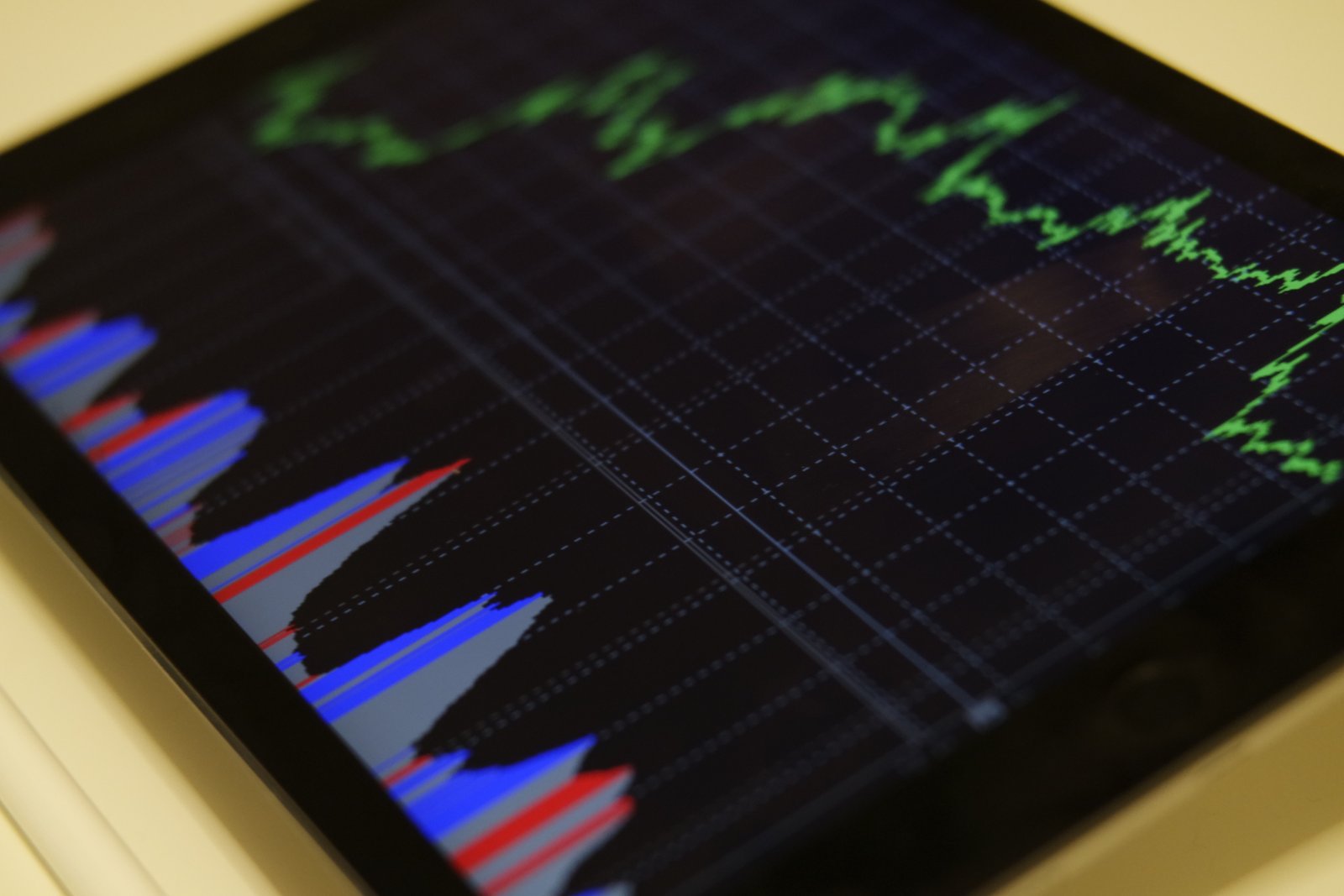
Introduction: In today's rapidly evolving digital landscape, where artificial intelligence (AI) is reshaping various industries, the world of finance is also undergoing significant transformations. AI trading signals, powered by sophisticated algorithms, have gained immense popularity for their ability to automate and optimize investment decisions. But what do color trends have to do with AI trading signals? Let's dive into this intriguing topic and explore the fascinating relationship between color and finance. The Psychology of Color: Color has long been known to have a profound impact on human emotions and behaviors. From advertising to interior design, businesses harness the power of color to influence consumer perceptions and create powerful brand identities. In the world of AI trading signals, color coding plays a crucial role in quickly conveying information to traders and investors. Red: Alerting Signals: The color red is often associated with danger, caution, and urgency. In the realm of AI trading signals, the color red is commonly used to indicate critical alerts or warning signs. For instance, a stock or asset displaying a red signal could hint at a potential downturn or an unfavorable trading condition. Traders can react swiftly to these red signals and make informed decisions accordingly. Green: Positive Signals: Green, symbolizing growth, prosperity, and success, is widely used to indicate positive signals in AI trading systems. When a stock is labeled with a green signal, it suggests a favorable market condition or a promising investment opportunity. This visual cue can help traders identify potential winners and make advantageous trades to maximize profits. Yellow: Neutral or Transitional Signals: Yellow, the color of caution and moderation, often represents transitional or neutral signals in AI trading systems. These signals signify a period of uncertainty or a market that is in a state of flux, neither overly bullish nor bearish. Traders may interpret yellow signals as an indication to wait for more confirmation or exercise caution before making significant investment decisions. Blue: Stability and Predictability: Blue, a color associated with stability and reliability, is commonly employed in AI trading signals to indicate calm and predictable market conditions. These signals are often observed during periods of market stability or low volatility. Traders can use this information to make more confident and less risky investment choices. Color Trends in Trading Platforms: As the financial industry embraces technological advancements, trading platforms are continuously integrating color trends in their AI trading signal displays. The use of visually appealing and intuitive color schemes helps traders process information quickly and make faster decisions. Additionally, some advanced platforms allow investors to customize their color preferences, offering a more personalized trading experience. Conclusion: While AI trading signals rely heavily on complex algorithms and data analysis, the visual impact of color cannot be undermined. The strategic use of colors in AI trading signals offers traders a way to interpret critical information swiftly, enhancing decision-making capabilities and improving overall trading performance. As the intersection of finance and technology continues to evolve, color trends in AI trading signals will undoubtedly play an increasingly significant role in shaping the future of the financial markets. Explore this subject further for a deeper understanding. http://www.colorsshow.com Explore expert opinions in http://www.thunderact.com also for more info http://www.vfeat.com


