Unveiling the Power of Color Trends in Predictive Analysis for Traders
Category : aifortraders |
Sub Category : aifortraders Posted on 2023-10-30 21:24:53
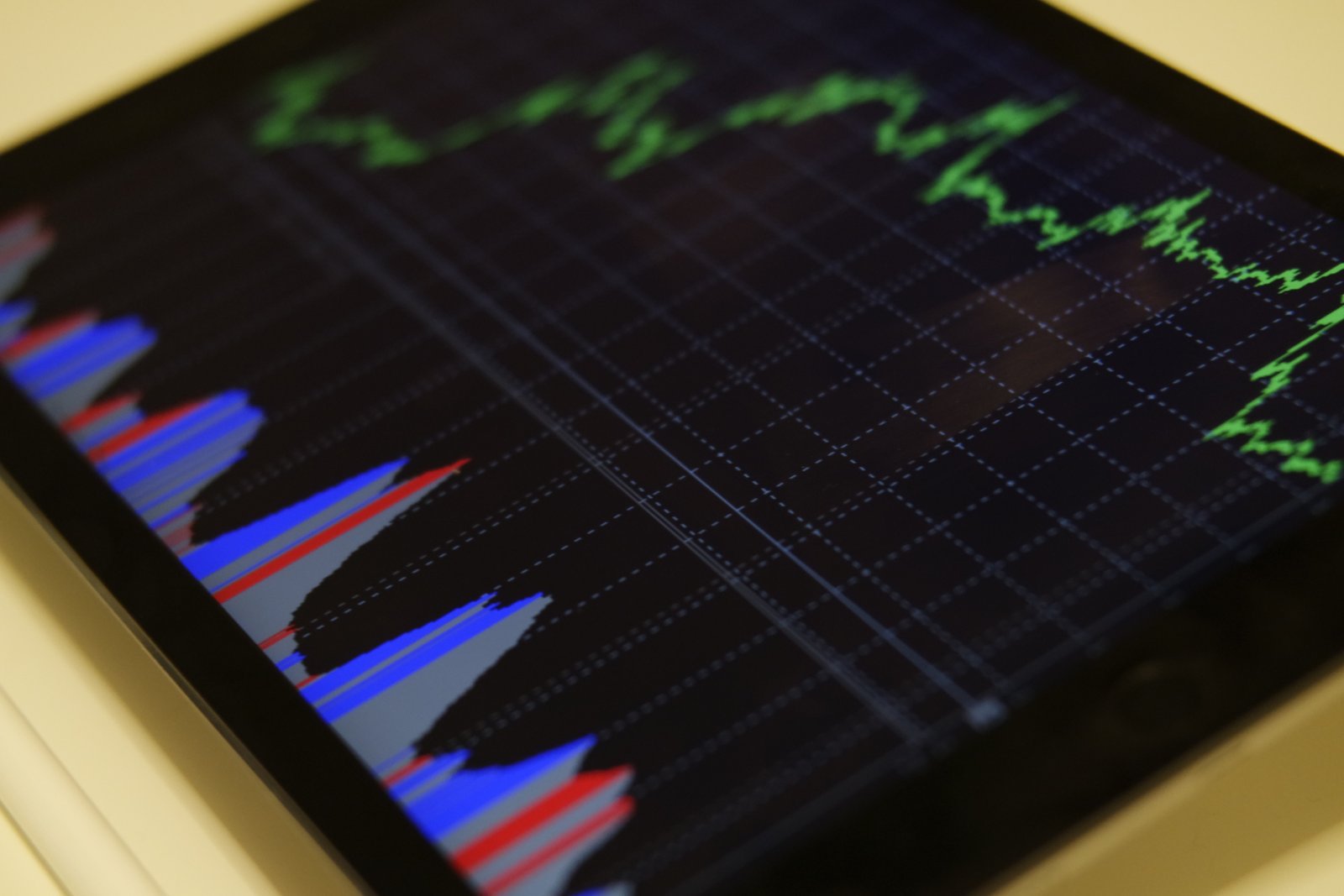
Introduction: In a world where information is abundant and decisions are made within milliseconds, traders are always on the lookout for an edge that can give them a competitive advantage. One such emerging trend in predictive analysis is the incorporation of color trends. By harnessing the psychological impact of colors on human perception, traders can gain valuable insights into market trends and make better-informed trading decisions. In this article, we will explore the growing significance of color trends in predictive analysis for traders. Understanding Color Psychology: Color has the power to evoke emotions, influence moods, and drive purchasing decisions. Companies have long recognized the impact of color on their customers and use it strategically in branding and marketing efforts. Similarly, traders can leverage color psychology to decode market sentiment and identify potential opportunities. Color Trends and Market Indicators: Color trends in predictive analysis for traders go beyond aesthetics. They involve the analysis of colors in various market indicators, such as stock charts, candlestick patterns, and technical indicators. By analyzing the color patterns in these indicators, traders can uncover underlying trends and patterns that may provide valuable insights into future market movements. For example, green and red colors are commonly associated with bullish and bearish market conditions, respectively. By visually representing these colors on stock charts, traders can quickly identify periods of buying and selling pressure. Additionally, the use of color gradients can denote the intensity of market movements, enabling traders to assess the strength of price trends. Integrating Color Trends into Trading Algorithms: Traditionally, traders have relied on complex mathematical models and indicators to drive their trading strategies. However, predictive analysis is evolving, and the integration of color trends into trading algorithms is gaining momentum. By training machine learning models to recognize and interpret color patterns, traders can enhance their decision-making process. For instance, machine learning algorithms can be trained to identify specific color combinations or transitions that have historically preceded significant market movements. By incorporating these color-based indicators into trading algorithms, traders can automate their decision-making and potentially increase the accuracy of their predictions. The Rise of Data Visualization: As the world becomes increasingly data-driven, the ability to visualize information has become crucial. Data visualization techniques, such as heatmaps and color-coded charts, help traders digest complex market data more efficiently. By representing data in visually appealing and intuitive formats, traders can spot trends and patterns that may have otherwise gone unnoticed. Color trends play a significant role in data visualization by providing a clear and concise representation of market dynamics. Through the use of colors, traders can effortlessly interpret vast amounts of data and extract valuable insights without being overwhelmed by numbers and figures. Conclusion: In the fast-paced world of trading, staying ahead of the curve is paramount. The integration of color trends in predictive analysis enables traders to uncover hidden patterns, understand market sentiment, and make better-informed trading decisions. Whether through the interpretation of color indicators or the integration of color trends into trading algorithms, leveraging color psychology can provide traders with a competitive edge. Embracing the power of color in predictive analysis opens up exciting possibilities for traders who are eager to navigate the markets with confidence and precision. For an in-depth examination, refer to http://www.colorsshow.com


