Revolutionizing Algorithmic Trading with Computer Vision Models
Category : aifortraders |
Sub Category : aifortraders Posted on 2023-10-30 21:24:53
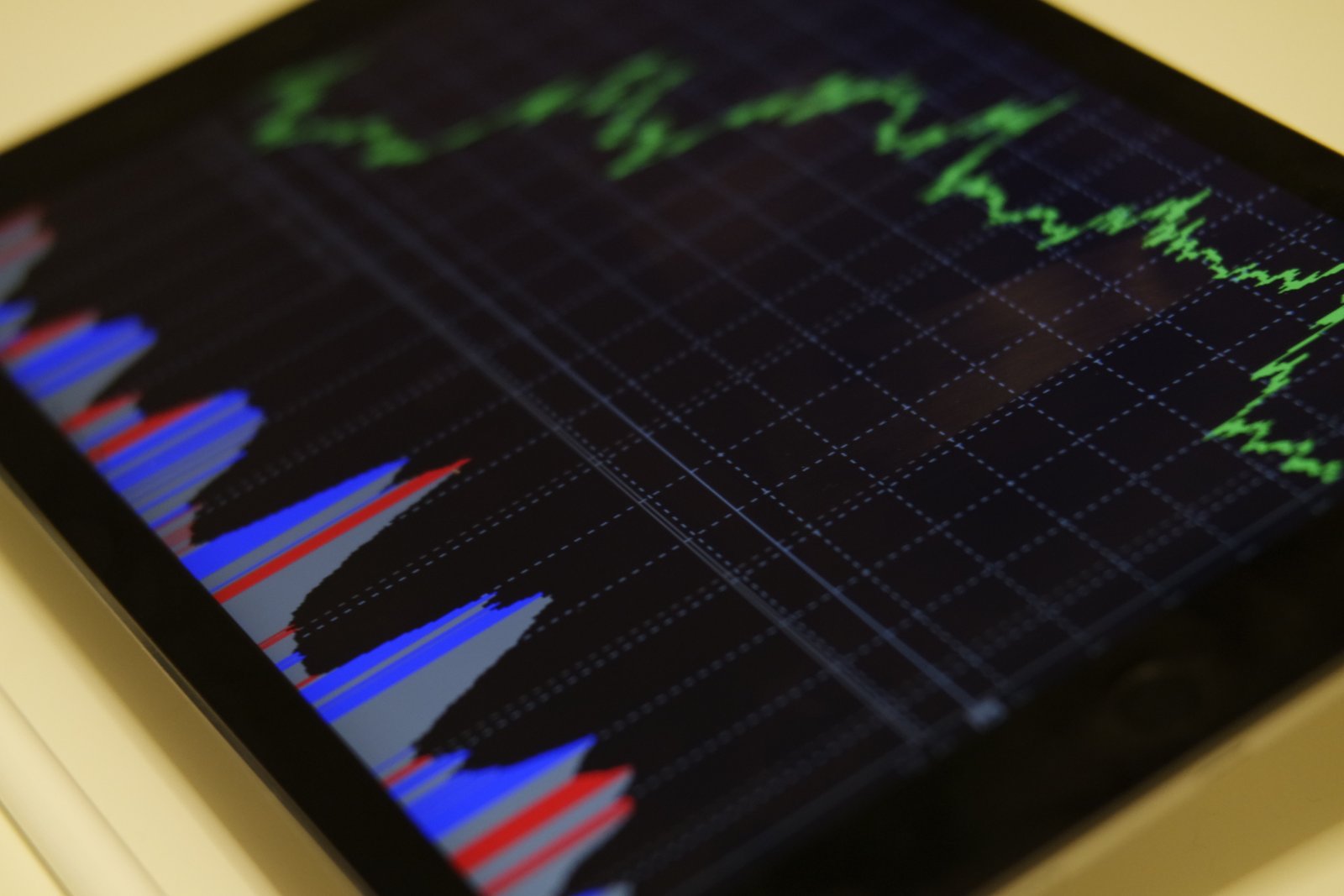
Introduction: With the rapid advancements in technology, algorithmic trading has become one of the most popular ways to execute profitable trades in financial markets. The use of complex mathematical models and algorithms has improved trading strategies by automating trade execution, reducing human error, and maximizing profitability. However, the fusion of computer vision and algorithmic trading models has taken this field to a whole new level. In this blog post, we will explore the exciting possibilities that computer vision offers to algorithmic trading, revolutionizing the way we approach financial markets. Understanding computer vision in algorithmic trading: Computer vision, a subfield of artificial intelligence and machine learning, focuses on teaching computers to interpret and understand visual information. By utilizing sophisticated algorithms and deep learning techniques, computers can analyze and make sense of images, video streams, and other visual data. This technology has found a multitude of applications in various industries, and algorithmic trading is no exception. Enhancing trading strategies with computer vision: 1. Pattern recognition: Computer vision algorithms can identify patterns in stock charts and other financial data, providing traders with invaluable insights. By detecting specific chart patterns, such as trendlines, support and resistance levels, or candlestick formations, traders can make more informed decisions about when to enter or exit a position. 2. News and sentiment analysis: Traditional algorithmic trading models rely on analyzing numerical data, such as historical prices and trading volumes. However, by incorporating computer vision techniques, traders can also analyze news articles, social media posts, and other textual information to gauge market sentiment. These models can identify relevant information from headlines, detect key phrases, and even interpret sentiment to predict how the market might react to specific news events. 3. Image recognition for market forecasting: Computer vision models can analyze satellite images, street-level imagery, or even social media images to capture real-time information about businesses, industries, or economic activity. For example, by monitoring parking lots to estimate customer footfall or analyzing satellite images to assess crop yields, traders can gain valuable insights into various sectors, resulting in more accurate predictions and better decision-making. 4. Fraud detection: In addition to improving trading strategies, computer vision models can also be employed to detect fraudulent activities. By analyzing trading patterns, transaction details, and other financial data, these models can identify suspicious behaviors and flag potential fraudulent activities, ultimately helping to safeguard the integrity of the financial markets. Conclusion: The integration of computer vision with algorithmic trading models has opened up exciting new possibilities for traders and investors. By leveraging computer vision algorithms, traders can gain a unique perspective on financial data, enabling them to make more accurate predictions and better-informed investment decisions. While algorithmic trading has already transformed the financial industry, the fusion of computer vision takes it to the next level, putting traders at the forefront of technological innovations and increasing their chances of success in today's fast-paced and competitive markets. Discover new insights by reading http://www.thunderact.com Seeking in-depth analysis? The following is a must-read. http://www.vfeat.com


