A Brief History of Electronic Device Registration and the Rise of Automated Trading Systems
Category : aifortraders |
Sub Category : aifortraders Posted on 2023-10-30 21:24:53
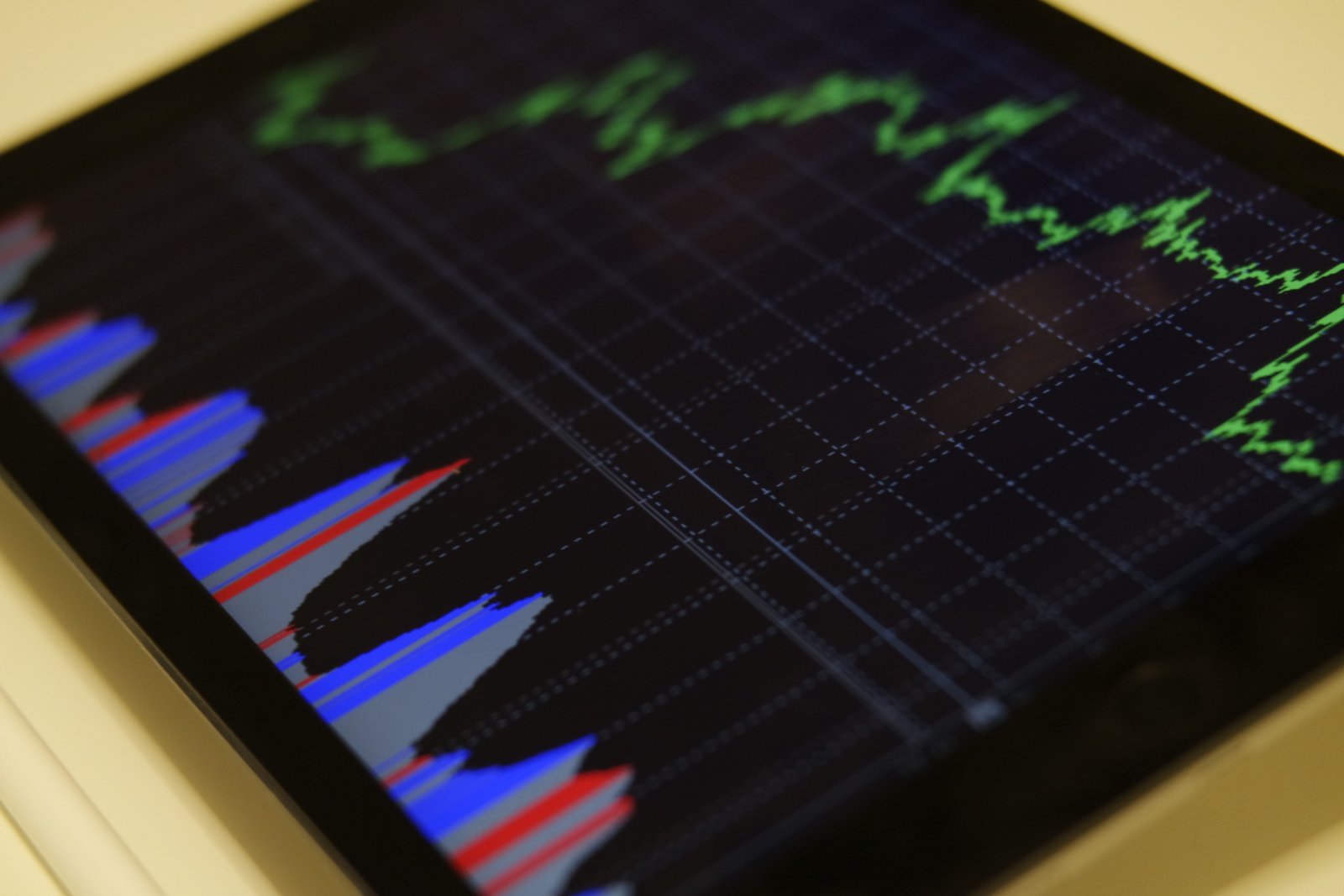
Introduction: In today's fast-paced world, technology plays an integral role in shaping our lives. From the advent of electronic devices to the emergence of automated trading systems, innovation has revolutionized the way we live and work. In this blog post, we will explore the fascinating history of electronic device registration and delve into the rise of automated trading systems. 1. Electronic Device Registration: Electronic devices have become an essential part of our daily lives, serving various purposes, from communication and entertainment to productivity and convenience. As technology advanced, the need for registering these devices became vital for several reasons, including security, warranty claims, and tracking purposes. The concept of electronic device registration can be traced back to the late 20th century when manufacturers and consumers began recognizing the value of product registration. Initially, this process required manual paperwork or filling out forms online. However, with the advancement of technology, registration has become more seamless and automated, allowing users to register their devices with a few clicks or through mobile apps. 2. Evolution of Automated Trading Systems: The financial industry has also witnessed a significant transformation with the rise of automated trading systems. Also known as algorithmic trading or black-box trading, these systems utilize pre-programmed algorithms to execute trades automatically. This technology has revolutionized the way financial markets operate by increasing efficiency and reducing human error. The development of automated trading systems can be attributed to advancements in computing power, connectivity, and data analysis. These systems use complex algorithms to analyze market data, identify trading opportunities, and execute trades at a speed and scale that human traders could not match. This automation has not only led to increased trading volumes but has also facilitated more accurate decision making and improved market liquidity. 3. Benefits and Challenges: The integration of automated trading systems offers several benefits to traders and the market as a whole. Some of these advantages include increased speed of execution, reduced transaction costs, improved accuracy, and the ability to capitalize on market opportunities 24/7. However, with any technological advancement, there are challenges to consider. One such challenge is the potential for algorithmic errors or "flash crashes," which can cause significant market disruptions. Regulators have been working to develop risk management protocols and implement circuit breakers to mitigate these risks. Additionally, concerns regarding market fairness and the impact of algorithms on market dynamics continue to be debated. Conclusion: The evolution of technology has had a profound impact on various aspects of our lives, from device registration to the financial markets. Electronic device registration has become more streamlined and automated, making it easier for consumers to register their devices and access benefits. Simultaneously, automated trading systems have transformed the financial landscape, enabling faster and more accurate trading decisions. As we move forward, it is crucial to strike a balance between harnessing the potential of automation and addressing the challenges it presents. By doing so, we can continue to leverage technological advancements for the betterment of society. For an in-depth examination, refer to http://www.edhr.org


