The Evolution of Electronic Device History and the Advent of Deep Learning in Financial Markets
Category : aifortraders |
Sub Category : aifortraders Posted on 2023-10-30 21:24:53
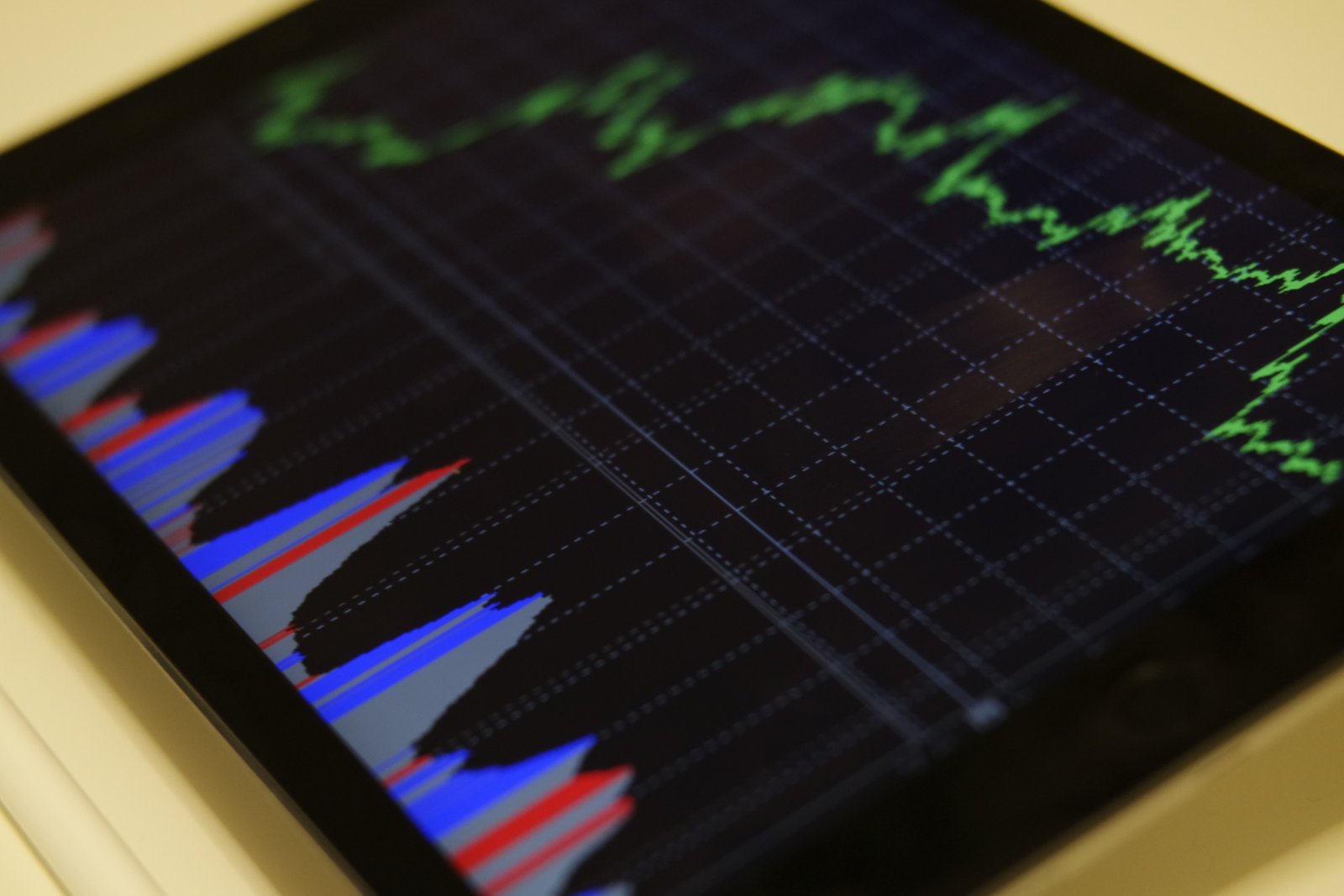
Introduction: In today's fast-paced world, technology has become an integral part of our lives, revolutionizing industries and transforming the way we work and communicate. One such field that has witnessed significant advancements is electronic devices. From the early calculators to modern smartphones, these devices have played a crucial role in shaping our society and economy. Moreover, recent developments in deep learning have opened up new possibilities in the financial markets, allowing for more efficient and accurate decision-making. In this blog post, we will delve into the history of electronic devices and explore how deep learning is transforming the financial world. The Evolution of Electronic Devices: The journey of electronic devices dates back to the mid-20th century when computers were massive machines occupying entire rooms. These early computers made calculations easier and faster, but they were far from being portable. As technology progressed, smaller devices such as calculators came into existence, providing handheld solutions for mathematical tasks. In the 1970s, the advent of microprocessors brought about a revolution in the electronics industry. These small but powerful chips became the building blocks for a wide range of electronic devices, including personal computers, laptops, and gaming consoles. Soon, electronic devices became more affordable, compact, and accessible to the masses. The Rise of Smartphones and Connectivity: The turn of the millennium witnessed the birth of an era-defining device: the smartphone. These pocket-sized powerhouses revolutionized the way we communicate, work, and access information. Combining the features of a phone, computer, and camera, smartphones became an essential part of our daily lives. Along with smartphones came the internet revolution, where connectivity became omnipresent. The ability to access information from anywhere, at any time, created new opportunities and transformed industries. Financial markets, in particular, benefited greatly from this connectivity, as traders and investors gained instant access to real-time data, news, and analysis. Deep Learning in Financial Markets: Over the years, financial markets have relied on analysis and prediction models to make informed investment decisions. However, these models often fall short in capturing the complex patterns and inherent uncertainties present in the markets. This is where deep learning, an advanced branch of artificial intelligence, comes into play. Deep learning algorithms, inspired by the structure and function of the human brain, can analyze vast amounts of data and learn from it to make highly accurate predictions. In the financial world, deep learning models can be trained to analyze historical market data, news sentiment, macroeconomic indicators, and even social media trends. By recognizing patterns and uncovering hidden relationships, these models can provide valuable insights and predictions for traders and investors. Benefits and Future Implications: The integration of deep learning in financial markets brings numerous benefits. Firstly, it enhances decision-making capabilities by providing more accurate and timely predictions. This enables traders to make informed investment choices, manage risks more effectively, and optimize their portfolios. Secondly, deep learning algorithms can automate repetitive tasks, freeing up valuable time for financial professionals to focus on more strategic activities. Lastly, deep learning can identify and analyze market anomalies, facilitating early detection of potential risks and opportunities. Looking ahead, the future of deep learning in financial markets holds immense potential. As the technology advances further, we can expect more sophisticated models that can handle large-scale data and adapt to dynamic market conditions. Moreover, deep learning algorithms may play a crucial role in detecting and preventing fraudulent activities in the financial industry. Conclusion: The history of electronic devices has witnessed remarkable advancements, transforming them from room-sized computers to the palm-sized smartphones we use today. The integration of deep learning in financial markets further propels this technological journey, enabling more accurate predictions and better decision-making. As we embrace the benefits of deep learning, it is crucial to ensure responsible and ethical implementation to harness its full potential. Ultimately, the combination of electronic device evolution and deep learning is reshaping the financial landscape, paving the way for a more efficient and data-driven future. Explore this subject further by checking out http://www.edhr.org Discover more about this topic through http://www.sugerencias.net


