Revolutionizing Trading: The Evolution of High-Frequency Trading With AI
Category : aifortraders |
Sub Category : aifortraders Posted on 2023-10-30 21:24:53
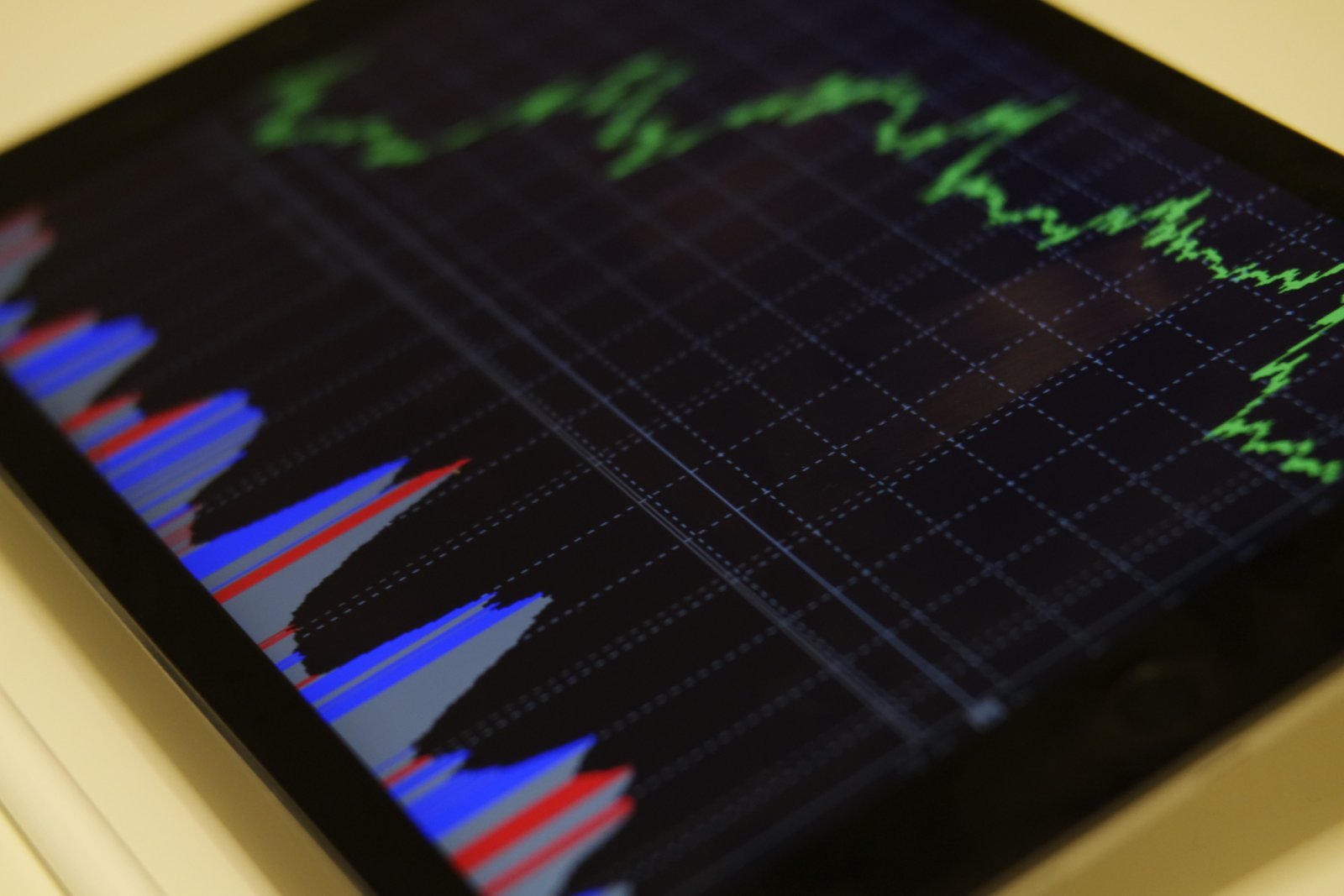
Introduction: In the fast-paced world of financial markets, staying ahead of the competition is crucial for success. Over the years, advancements in technology have transformed the way trading is conducted, with high-frequency trading (HFT) emerging as a dominant force. Adding to the mix is the integration of artificial intelligence (AI), which has further revolutionized the field. In this blog post, we will delve into the history of electronic device registration, explore the rise of high-frequency trading, and examine how AI has made its mark in this rapidly evolving landscape. 1. The Evolution of Electronic Device Registration: Long gone are the days when trading was conducted entirely on open outcry trading floors. With the advent of electronic trading platforms, the need for accurate and efficient registration of electronic devices emerged. Registration helps to ensure transparency, accountability, and security in the trading process. Starting from the late 20th century, electronic device registration systems gradually became a standard practice, with regulators mandating the identification and verification of devices used for trading activities. 2. High-Frequency Trading: A Game-Changer in Financial Markets: High-frequency trading burst onto the scene in the early 2000s, bringing with it a paradigm shift in trading strategies. HFT involves the use of powerful computers and algorithms to execute trades at lightning-fast speeds. By leveraging complex algorithms, trading firms gain a competitive edge by identifying market patterns, taking advantage of arbitrage opportunities, and executing trades within microseconds. The exponential growth of HFT can be attributed to several factors, including improvements in computing power, the widespread adoption of electronic exchanges, and the availability of vast amounts of data. Through its ability to process massive amounts of information and execute trades at unprecedented speeds, HFT has reshaped the dynamics of financial markets. 3. The Rise of AI in High-Frequency Trading: As the complexity of financial markets increases, so does the need for advanced technologies to analyze data and make informed trading decisions. This is where AI comes into play. By leveraging machine learning and deep learning algorithms, AI-powered systems can analyze vast amounts of market data and identify patterns that human traders might miss. AI in high-frequency trading brings several key advantages. It is capable of processing large data sets in real-time, detecting subtle market signals, and adjusting trading strategies accordingly. Additionally, AI systems can adapt and learn from previous trading experiences, continuously improving their performance over time. 4. Benefits and Challenges of AI in High-Frequency Trading: The integration of AI in high-frequency trading offers numerous potential benefits. It can enhance trading speed, increase accuracy, and reduce human error. AI can also uncover hidden opportunities in the market by analyzing complex relationships between various market variables. Furthermore, AI systems can operate 24/7, eliminating the limitations of human traders. However, there are challenges associated with AI in HFT. The complexity of AI algorithms requires careful monitoring and regulation to prevent market manipulation or unintended consequences. Additionally, ensuring the reliability and security of AI systems is crucial, as any technical glitches or cyber-attacks could have severe repercussions on financial markets. Conclusion: The combination of electronic device registration, high-frequency trading, and AI has reshaped the landscape of financial markets. Electronic device registration has ensured transparency and accountability, enabling seamless integration of trading platforms. High-frequency trading has revolutionized the speed and efficiency of trading, while AI has added a new dimension of data analysis and decision-making. As technology continues to advance, we can expect further innovations in the field of high-frequency trading with AI. Balancing the benefits and challenges, it is clear that AI has the potential to unlock new opportunities, enhance trading performance, and drive further growth and efficiency in the financial markets of tomorrow. For an extensive perspective, read http://www.edhr.org


