Exploring the Revolutionary Impact of Electronic Products in Automated Trading Systems
Category : aifortraders |
Sub Category : aifortraders Posted on 2023-10-30 21:24:53
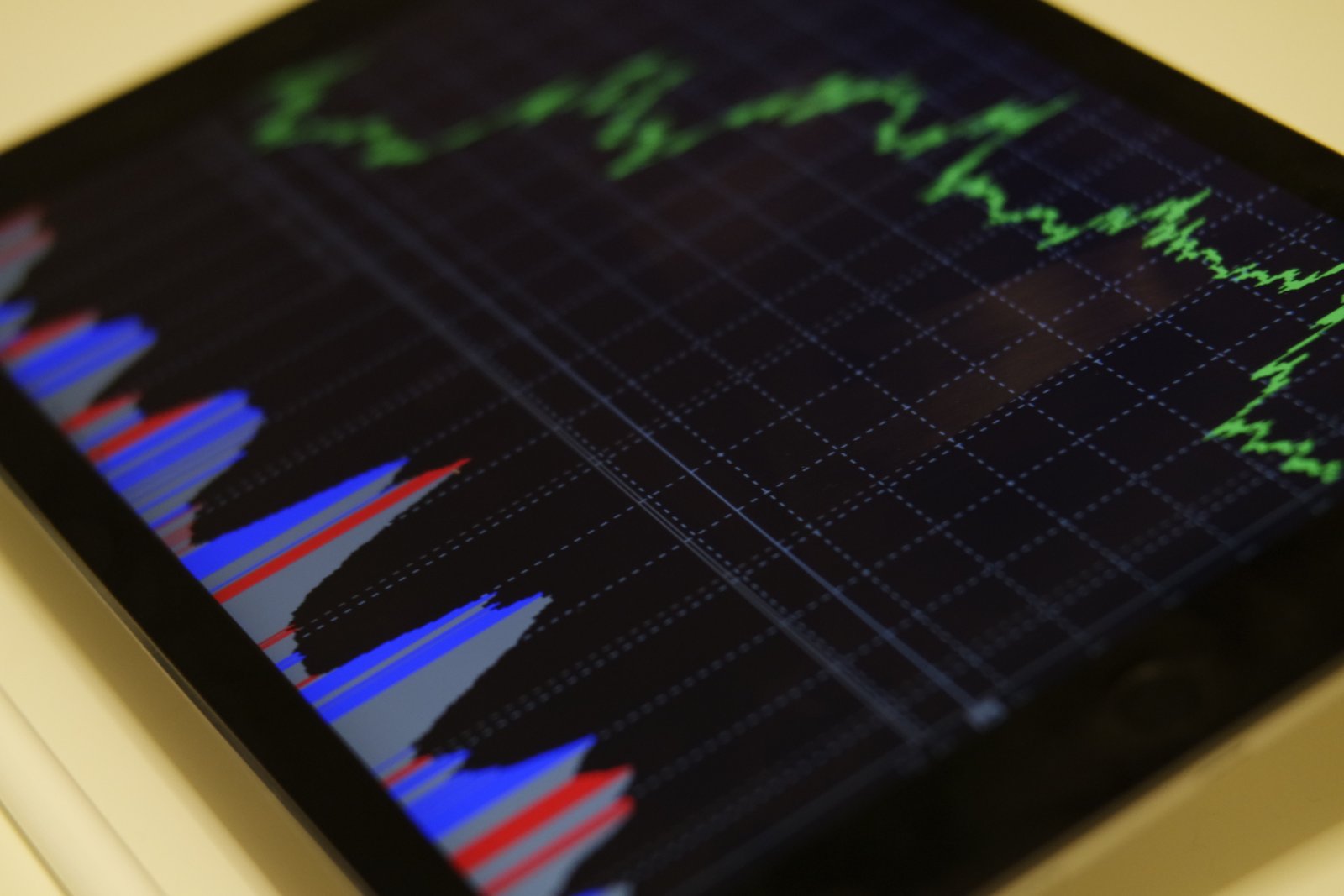
Introduction In recent years, electronic products have revolutionized the financial industry, especially in the field of automated trading systems. Gone are the days of manual trading and relying solely on human intuition and decision-making. Today, automated trading systems powered by electronic products have made their mark, offering traders unparalleled speed, efficiency, and accuracy. In this blog post, we will delve deeper into the world of electronic products in automated trading systems and explore their impact on the financial landscape. 1. The Rise of Electronic Trading Platforms Electronic trading platforms have emerged as the backbone of automated trading systems. These platforms provide traders with direct access to financial markets, allowing them to execute trades rapidly, efficiently, and without any human intervention. By utilizing electronic connectivity, these platforms enable traders to interact with exchanges, liquidity providers, and other market participants seamlessly. 2. The Role of Algorithmic Trading At the heart of automated trading systems lie powerful algorithms. These algorithms, facilitated by electronic products, analyze vast amounts of market data in real-time, identify trading opportunities, and execute trades at lightning-fast speeds. Algorithmic trading helps traders eliminate emotional biases and make decisions based on predefined rules, enhancing consistency and minimizing errors. 3. Benefits of Electronic Products in Automated Trading Systems 3.1. Speed and Efficiency: Electronic products provide unmatched speed and efficiency in executing trades. By leveraging high-frequency trading strategies, traders can take advantage of even the smallest market inefficiencies, resulting in potential profits. 3.2. Minimized Human Error: Automation reduces the risk of human error, which is prevalent in manual trading. Automated trading systems based on electronic products can quickly and accurately process vast amounts of data, reducing the possibility of costly mistakes caused by human limitations. 3.3. Increased Market Liquidity: Automated trading systems powered by electronic products contribute to increased market liquidity. The ability to execute large volumes of trades swiftly helps create a more liquid market where buyers and sellers can transact with ease. 3.4. Enhanced Risk Management: Electronic products offer traders advanced risk management tools. Automated systems can engage in pre-defined risk management protocols, such as stop-loss orders, reducing the potential for significant losses. 4. Overcoming Challenges While electronic products in automated trading systems offer numerous advantages, they do present certain challenges. These challenges include the potential for technology glitches, system outages, and algorithmic errors. Traders utilizing automated systems must implement robust risk management strategies and have contingency plans to mitigate these risks effectively. 5. The Future of Electronic Products in Automated Trading Systems As technology continually advances, the future of electronic products in automated trading systems looks promising. We can expect further innovation in areas such as machine learning, artificial intelligence, and predictive analytics, enabling even more sophisticated trading strategies. Additionally, regulatory bodies will continue to adapt to this evolving landscape, ensuring a fair and transparent marketplace for all participants. Conclusion Electronic products have completely transformed the way trading is conducted through automated trading systems. By leveraging the speed, accuracy, and efficiency provided by electronic connectivity, traders can optimize their strategies, minimize risks, and capitalize on market opportunities. The integration of electronic products in automated trading systems is a clear example of technology's powerful impact on the financial landscape, shaping the future of trading as we know it. click the following link for more information: http://www.wootalyzer.com


