High-Frequency Trading with AI: Revolutionizing the Employment and Job Market
Category : aifortraders |
Sub Category : aifortraders Posted on 2023-10-30 21:24:53
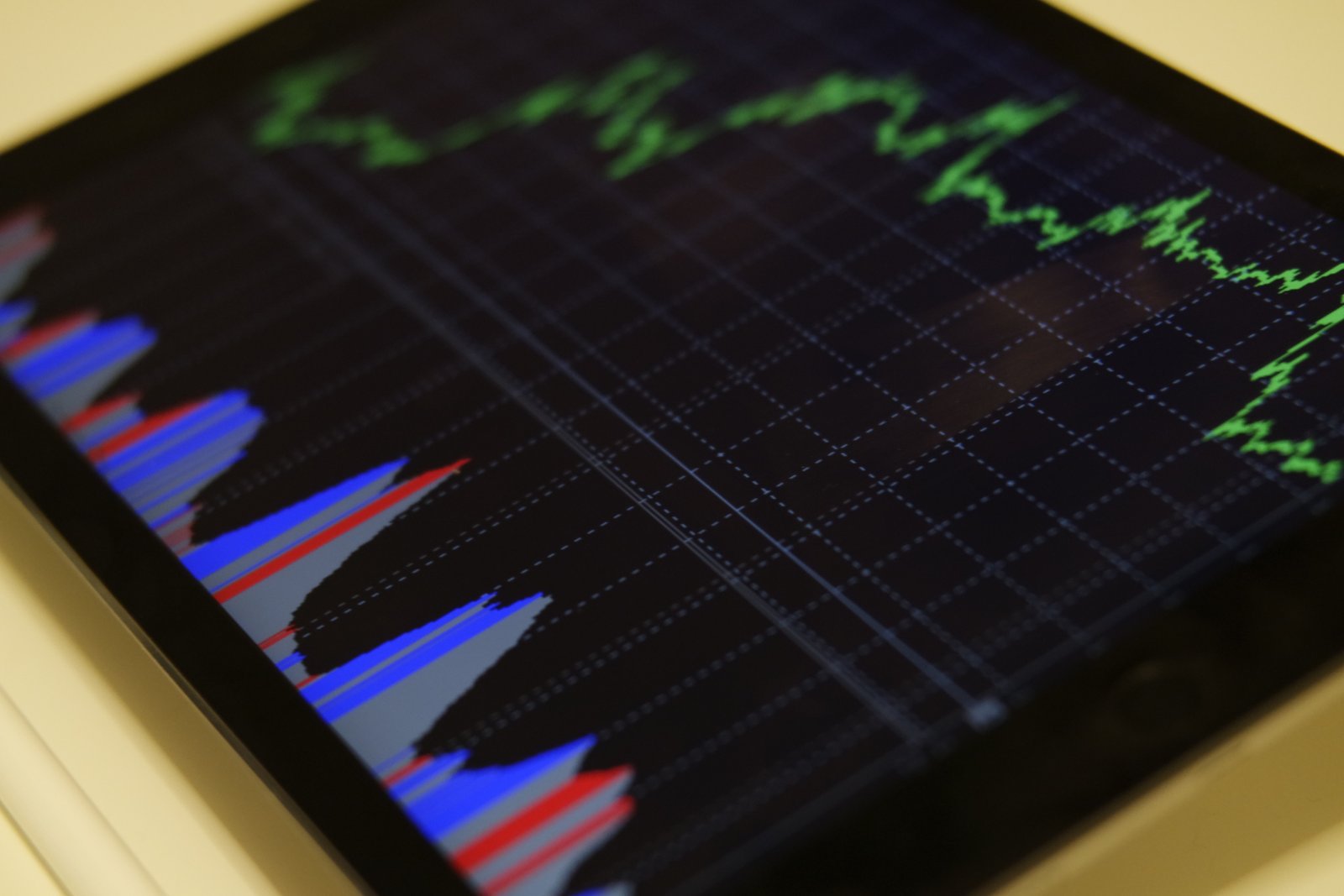
Introduction: In today's fast-paced financial world, high-frequency trading (HFT) has become a major force that drives markets. This advanced trading practice, combined with the power of artificial intelligence (AI), has had a significant impact on various aspects of the employment and job market. As HFT and AI continue to evolve, it is crucial to understand how these technologies are shaping the employment landscape. The Rise of High-Frequency Trading: High-frequency trading involves using powerful computer algorithms to execute a large number of trades in fractions of a second. By leveraging lightning-fast internet connections and sophisticated algorithms, traders can exploit even the smallest price differences across multiple markets. This approach has gained popularity due to the potential for significant profits made within milliseconds of executing a trade. Advancements in Artificial Intelligence: Artificial intelligence has revolutionized the way high-frequency trading is conducted. AI algorithms can analyze vast amounts of historical data, news, social media sentiment, and other relevant information in real-time to identify patterns and make informed trading decisions. These algorithms can learn from past successes and failures, continuously improving their strategies. Impact on Employment: 1. Job Creation: The rise of high-frequency trading with AI has created new job opportunities in the financial sector. Companies are actively recruiting data scientists, machine learning engineers, and programmers who specialize in developing AI-based trading systems. This increased demand for skilled professionals has provided employment options in a highly competitive job market. 2. Automation of Traditional Roles: While high-frequency trading has created new job positions, it has also automated certain traditional roles. With AI's ability to execute trades at lightning speed, human traders who rely on manual execution are gradually being replaced. This shift has led to a downsizing of some traditional trading roles and a greater emphasis on acquiring data analysis and coding skills. 3. Regulatory Challenges: The rapid growth of high-frequency trading and AI has presented regulatory challenges. Regulators must adapt to an ever-changing landscape to ensure fair markets and protect investors. This has created a demand for experts in financial regulations to ensure proper oversight and mitigate any potential risks associated with HFT and AI. 4. Increased Competition: High-frequency trading with AI has intensified the competition among financial institutions. Firms must invest in cutting-edge technology and recruit top talent to remain competitive. With algorithms driving trading decisions, traditional financial professionals are now required to have a deep understanding of machine learning and AI principles to thrive in this rapidly evolving field. Conclusion: High-frequency trading with AI has undoubtedly transformed the employment and job market within the financial sector. While it has created new job opportunities and redefined skill requirements, it has also automated certain roles. As AI continues to advance, it is crucial for professionals to adapt and acquire the necessary skills to stay relevant. The evolution of high-frequency trading with AI is an exciting frontier that continues to shape the employment landscape - opening up new possibilities and challenges for the future. More in http://www.svop.org


