High-Frequency Trading with AI: Revolutionizing Engineering in STEM
Category : aifortraders |
Sub Category : aifortraders Posted on 2023-10-30 21:24:53
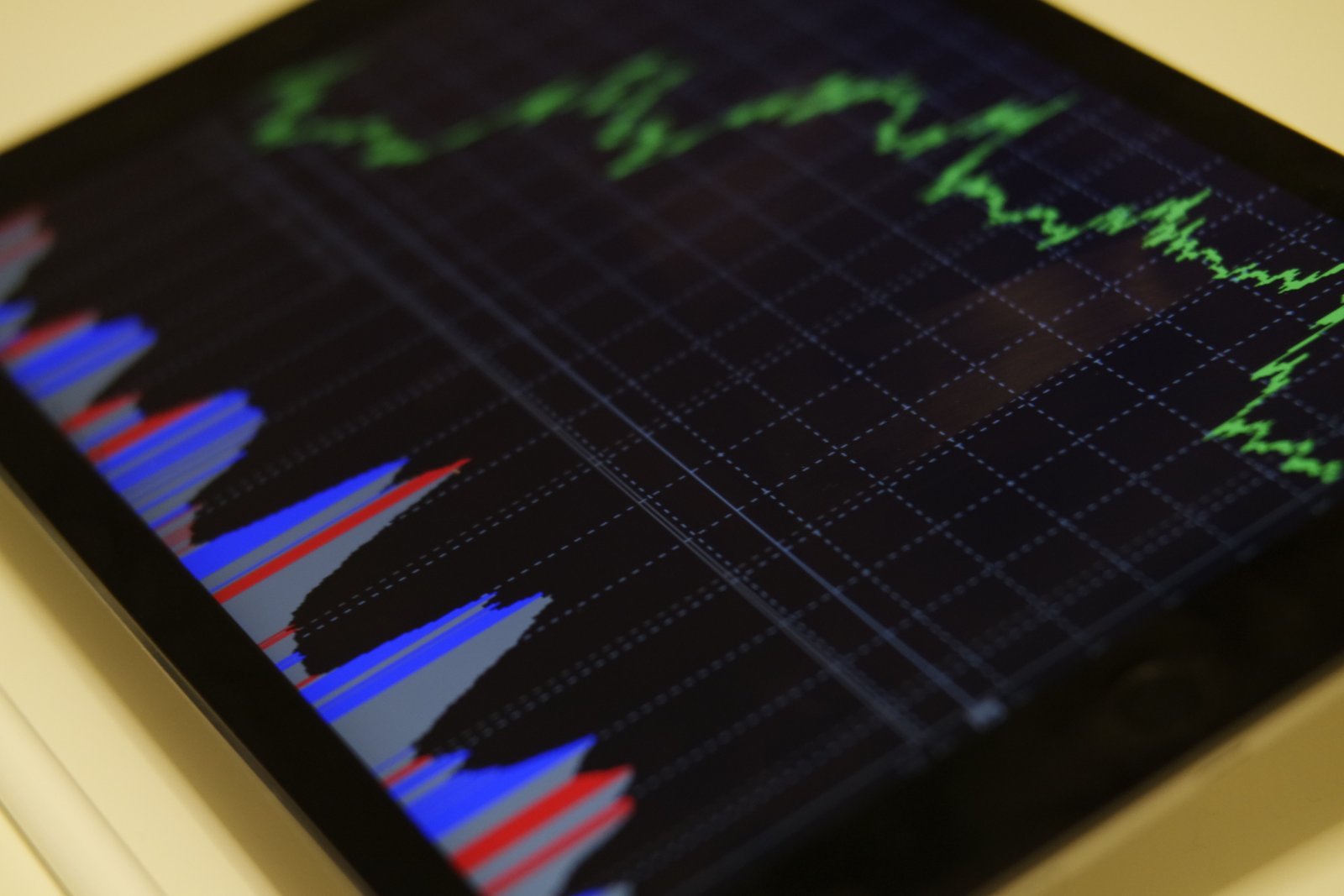
Introduction: In today's fast-paced financial market, the use of advanced technologies has become increasingly prevalent. One such innovation that has gained significant traction is high-frequency trading (HFT) with artificial intelligence (AI). HFT refers to the practice of executing trades at lightning-fast speeds to gain a competitive advantage. When combined with AI, high-frequency trading can revolutionize the financial landscape and create new opportunities for engineers in the STEM field. In this blog post, we will delve into the realm of high-frequency trading with AI and explore how it is transforming the field of engineering. 1. Understanding High-Frequency Trading: High-frequency trading involves the use of sophisticated algorithms and powerful computing systems to analyze vast amounts of market data and execute trades in milliseconds. AI technologies, such as machine learning and deep learning, are used to train algorithms to recognize patterns and make predictions based on historical data. These predictive capabilities enable traders to make split-second decisions and capitalize on market opportunities that may otherwise be missed. 2. The Role of AI in High-Frequency Trading: AI plays a crucial role in high-frequency trading by enhancing the accuracy and efficiency of trading strategies. Machine learning algorithms can analyze market data in real-time, identify meaningful patterns, and make predictions about future market movements. This enables traders to optimize trading decisions, minimize risks, and increase profitability. Moreover, AI systems can adapt and learn from changing market conditions, improving their performance over time. 3. Engineering Challenges in High-Frequency Trading: Implementing high-frequency trading strategies with AI presents several engineering challenges. Engineers must design and deploy robust computing infrastructure capable of processing massive amounts of data and executing trades with minimal latency. They need to build algorithms that can handle the complexities of real-time market fluctuations and make accurate predictions. Additionally, engineers must ensure the security and reliability of these systems, as any downtime or vulnerabilities can lead to significant financial losses. 4. Impact on the STEM Field: The rise of high-frequency trading with AI offers new opportunities and challenges for engineers in the STEM field. Engineers specializing in computer science, data analysis, and software development have a crucial role to play in developing and maintaining high-frequency trading systems. They can leverage their skills to design efficient algorithms, optimize system performance, and improve trading strategies. Additionally, engineers can contribute to the development of cutting-edge technologies such as natural language processing and sentiment analysis, which can provide valuable insights for high-frequency trading. 5. Ethical Considerations and Regulation: As high-frequency trading with AI becomes more prevalent, ethical considerations and regulation also come into play. The speed and complexity of these systems raise concerns about market fairness, manipulative practices, and the potential for crashes or systemic risks. Engineers and policymakers need to work together to establish ethical guidelines and regulatory frameworks, ensuring transparency and accountability in the implementation of high-frequency trading strategies. Conclusion: High-frequency trading with AI has the potential to transform the financial landscape and create new opportunities for engineers in the STEM field. By leveraging advanced technologies, engineers can design robust systems, optimize trading strategies, and contribute to the development of cutting-edge AI algorithms. However, with this transformation comes the need for responsible engineering practices, ethical considerations, and regulatory oversight. As the field of high-frequency trading with AI continues to evolve, engineers will play a crucial role in shaping its future and ensuring its benefits are realized while mitigating potential risks.


