Leveraging Internet of Things Technology and Predictive Analysis for Traders
Category : aifortraders |
Sub Category : aifortraders Posted on 2023-10-30 21:24:53
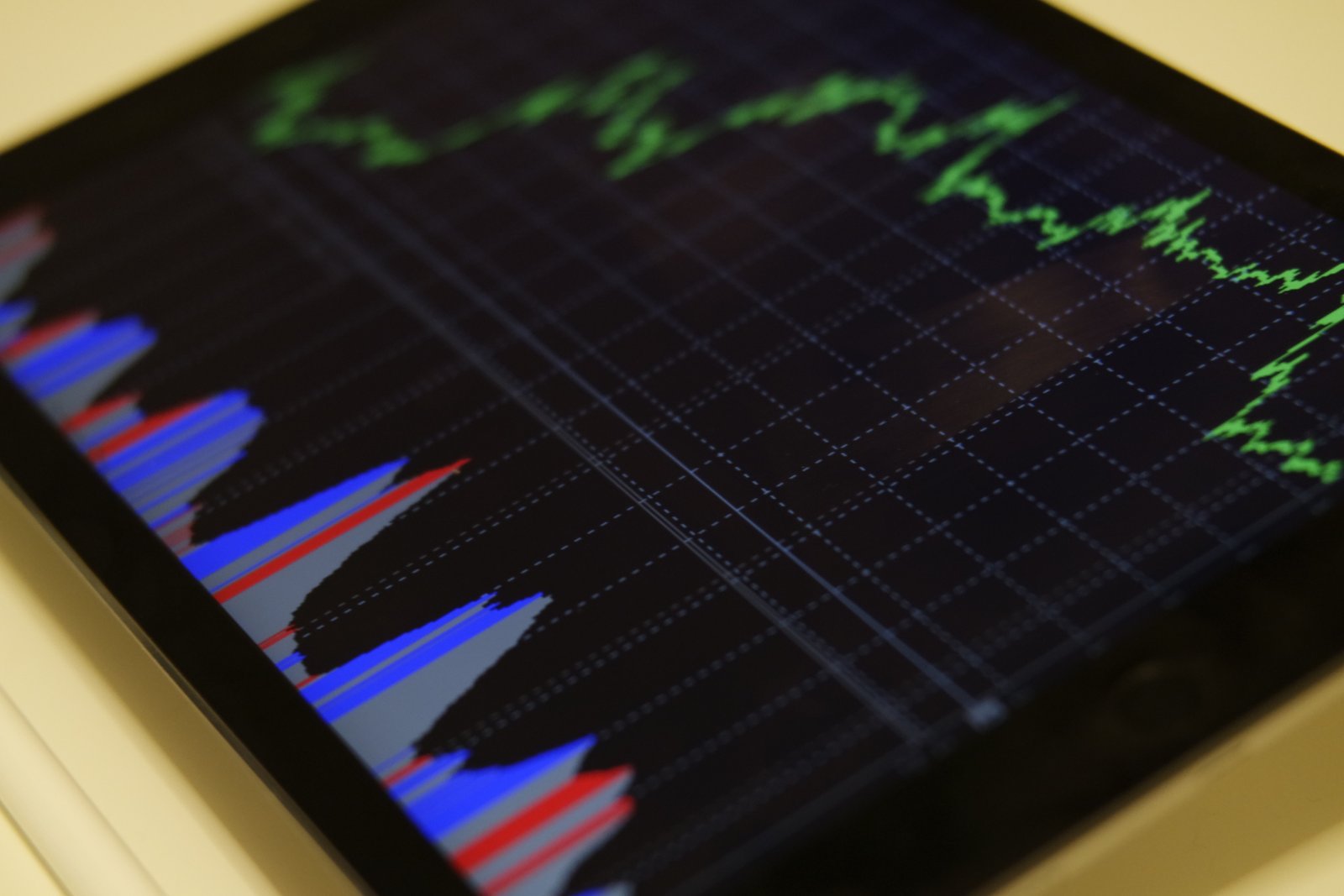
Introduction: In today's rapidly evolving world of technology, the Internet of Things (IoT) has become an integral part of various industries, including finance and trading. The ability to collect and analyze vast amounts of data in real-time has opened new avenues for traders to make smarter, more informed decisions. This article explores how IoT technology and predictive analysis are revolutionizing the trading landscape, enabling traders to stay ahead of the curve and maximize profitability. 1. Understanding the Internet of Things (IoT) and its Role in Trading: The IoT refers to a vast network of interconnected devices that collect and exchange data through the internet. In trading, IoT devices with embedded sensors can gather real-time market data, monitor market conditions, and provide traders with an enhanced understanding of the market ecosystem. With this continuous stream of data, traders can identify patterns, trends, and anomalies that were previously difficult to detect, giving them a significant advantage in executing trades. 2. Predictive Analysis: Empowering Traders with Data-Driven Insights: Predictive analysis utilizes historical data, patterns, and mathematical algorithms to identify future trends and outcomes. When applied to trading, predictive analysis algorithms can process vast amounts of market data collected through IoT devices and provide actionable insights for traders. By leveraging sophisticated algorithms, traders can forecast price movements, optimize trading strategies, and identify potential trading opportunities before they become apparent to others. 3. Benefits of IoT-Enabled Predictive Analysis for Traders: a) Enhancing Trading Strategies: By harnessing IoT-based predictive analysis, traders can gain insight into market trends, volatility, and sentiment analysis. This information helps develop and fine-tune trading strategies that are proactive rather than reactive, reducing risks and maximizing profits. b) Real-time Alerts and Notifications: IoT devices can monitor multiple data sources simultaneously and send real-time alerts to traders about market movements, breaking news, and other relevant events. This allows traders to react swiftly and take advantage of market fluctuations, leading to more timely trade executions. c) Automating Trade Execution: IoT technology can be integrated with trading platforms and automation tools, enabling traders to execute trades automatically based on predefined parameters. By removing human error and emotional biases, traders can achieve consistent, rule-based trading strategies that are executed in a fraction of a second. d) Scalability and Adaptability: IoT devices offer tremendous scalability and adaptability, making it easier for traders to expand their operations and capture opportunities in new emerging markets. The flexibility of IoT technology allows traders to monitor multiple assets and markets simultaneously, facilitating diversified portfolios and reducing the risk associated with a single market. 4. Challenges and Considerations: a) Security and Data Privacy: With the increased adoption of IoT devices, ensuring data security and safeguarding sensitive trading information becomes crucial. Traders must implement robust cybersecurity measures to protect against potential breaches and data theft. b) Data Integrity and Reliability: The accuracy and reliability of the data collected through IoT devices are paramount for informed decision-making. Traders should carefully vet the source, quality, and integrity of the data they rely on for their predictive analysis. c) Limited Historical Data: The relatively short history of IoT technology in trading can limit the availability of long-term historical data essential for effective predictive analysis. Traders must use other data sources or rely on alternative methods to compensate for this limitation. Conclusion: As the IoT continues to mature and evolve, its impact on trading and financial markets will only grow stronger. By combining IoT technology with predictive analysis, traders can unlock valuable insights, make data-driven decisions, and gain a competitive edge in the fast-paced world of trading. However, it is crucial for traders to be aware of the associated challenges and considerations to fully leverage the benefits of IoT-enabled predictive analysis. With the right strategies and tools in place, traders can navigate the complexities of the digital era, capitalize on opportunities, and achieve trading success.


