Unleashing the Power of Investment Algorithmic Trading Models
Category : aifortraders |
Sub Category : aifortraders Posted on 2023-10-30 21:24:53
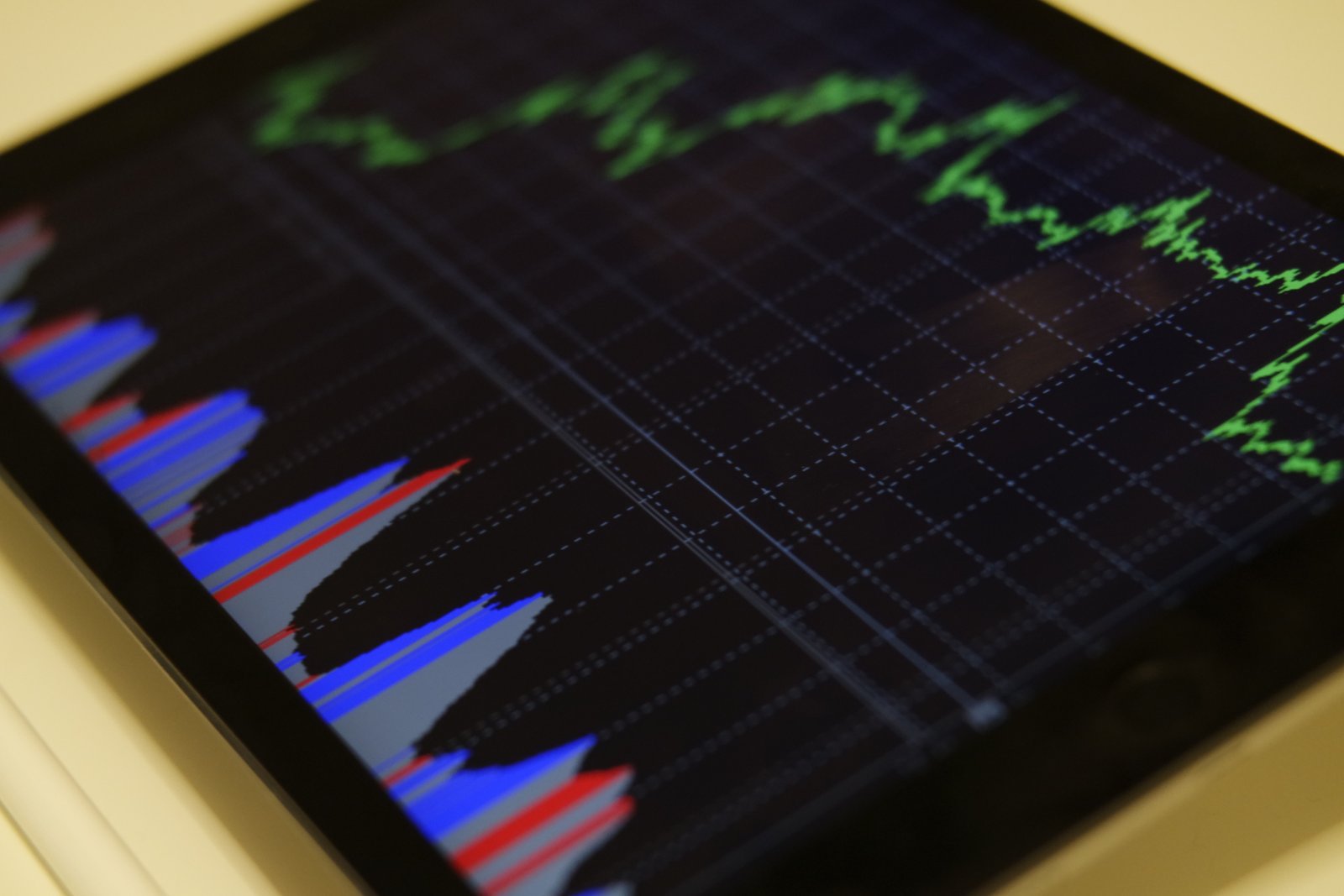
Introduction: In today's fast-paced and technology-driven world, the financial industry has experienced a significant shift towards using sophisticated algorithms to make investment decisions. Algorithmic trading models, also known as automated trading systems, have revolutionized the way investors approach financial markets. These models aim to extract profits by capturing short-term market inefficiencies and identifying patterns that humans may overlook. In this article, we will delve into the world of investment algorithmic trading models and explore their potential benefits and challenges. What is Algorithmic Trading? Algorithmic trading refers to the use of computer algorithms to execute trading strategies automatically. These algorithms are designed to process vast amounts of financial data, analyze market conditions, and execute trades with minimal human intervention. While traditional trading relies on human decision-making, algorithmic trading leverages technological advancements to execute trades at lightning speed and seize fleeting opportunities in the market. The Role of Algorithmic Trading Models: Investment algorithmic trading models serve as the backbone of algorithmic trading strategies. These models are built upon mathematical and statistical principles, using historical data to develop predictive models for future price movements. By analyzing news sentiment, technical indicators, market microstructure, and other relevant factors, these models attempt to identify profitable trading opportunities. Benefits of Investment Algorithmic Trading Models: 1. Speed and Efficiency: One of the primary advantages of algorithmic trading models is their ability to execute trades in fractions of a second. By eliminating human emotions and biases, these models take advantage of even the smallest market discrepancies. This speed allows for better market timing and price execution, minimizing slippage and maximizing potential profits. 2. Diversification: Algorithmic trading models enable investors to diversify their portfolios across multiple markets and instruments simultaneously. These models can analyze and trade various asset classes, such as stocks, commodities, currencies, and derivatives, offering investors broader market exposure and risk management. 3. Improved Risk Management: Investment algorithmic trading models incorporate risk management techniques, such as stop-loss orders and position-sizing algorithms, to mitigate potential losses. These models can continuously monitor market conditions and adjust trading parameters based on predefined risk tolerances, reducing exposure to undesirable market conditions. Challenges in Algorithmic Trading: 1. Accuracy and Reliability: The accuracy and reliability of investment algorithmic trading models heavily depend on the quality and relevance of data used for training and validation. Models must be regularly updated and calibrated to ensure their effectiveness, as outdated models can lead to incorrect predictions and suboptimal trading decisions. 2. Technical Infrastructure: Setting up a robust technological infrastructure capable of handling high-frequency trading and real-time data can be complex and costly. Traders need fast and reliable connections to exchanges, low-latency data feeds, and powerful servers to execute trades efficiently and make timely decisions. 3. Regulatory Risks: Algorithmic trading must comply with various regulatory rules and guidelines. Traders need to ensure their models adhere to market regulations and avoid practices that may be considered manipulative or unfair. Failure to comply with regulatory requirements can lead to severe penalties and reputational damage. Conclusion: Investment algorithmic trading models have transformed the dynamics of financial markets, enabling investors to capitalize on opportunities that were once inaccessible. By leveraging the power of data analysis, automation, and speed, these models offer several benefits, including increased efficiency, diversification, and improved risk management. However, challenges, such as accurate data sourcing, technological infrastructure, and regulatory compliance, must be addressed to harness the full potential of algorithmic trading. As the financial landscape continues to evolve, investment algorithmic trading models will likely play an increasingly significant role in shaping investment strategies and enhancing market performance. For a different perspective, see: http://www.upital.com


