Exploring the Role of Reinforcement Learning in Trading with Technical Products
Category : aifortraders |
Sub Category : aifortraders Posted on 2023-10-30 21:24:53
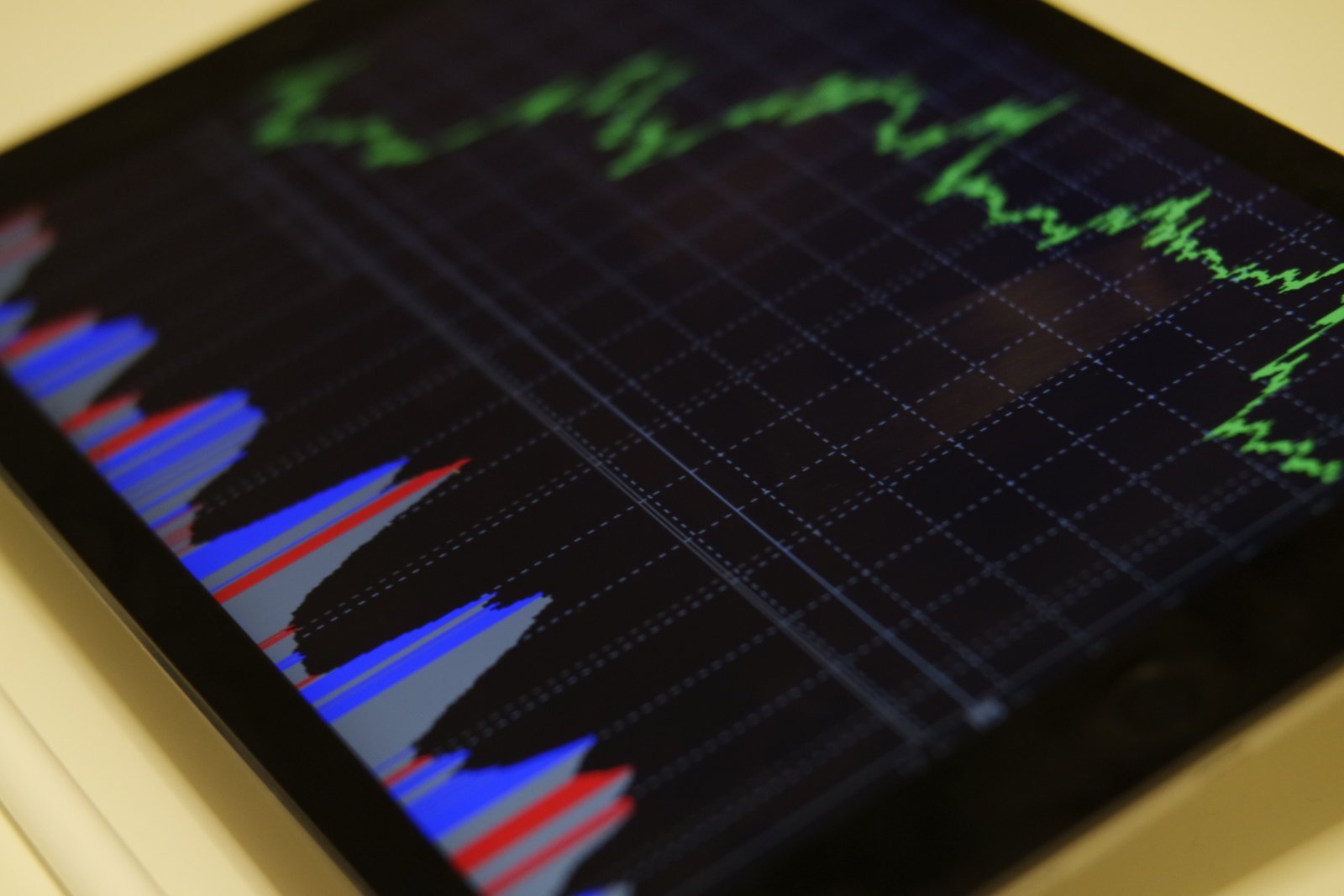
Introduction: As technology continues to advance across various industries, trading is no exception. In recent years, the utilization of reinforcement learning (RL) in trading strategies has gained significant attention. When combined with technical products such as charts, indicators, and patterns, RL algorithms offer tremendous potential to enhance decision-making processes and maximize returns in the financial markets. In this blog post, we will delve into the world of reinforcement learning in trading and explore how it can be applied to technical products. Understanding Reinforcement Learning: Reinforcement learning is a machine learning approach that focuses on the interaction between an agent and its environment to maximize a specific reward. Unlike other machine learning techniques, RL does not require extensive labeled datasets. Instead, it learns from trial and error, receiving feedback in the form of rewards or penalties based on its actions. This ability to learn from experience makes RL particularly suitable for trading, where decision-making is crucial. Leveraging Technical Products: Technical products, such as price charts, indicators, and patterns, provide traders with valuable insights into market trends and potential price movements. These products have been widely used by traders to identify entry and exit points for their trades. By combining RL algorithms with technical products, traders can create more sophisticated and efficient trading strategies. Building RL Trading Models: To utilize reinforcement learning in trading, traders can develop RL models that interact with technical product data to make trading decisions. Here's a high-level overview of how the process works: 1. Data Preprocessing: The first step is to preprocess the technical product data, such as converting price charts into numerical format and extracting relevant features. This ensures that the data is in a suitable format for RL algorithms. 2. Environment Design: Traders need to design the trading environment, which includes defining the state, action, and reward spaces. The state space represents the current market conditions, the action space refers to the available trading actions (e.g., buy, sell, hold), and the reward space indicates the returns or penalties based on the agent's actions. 3. RL Algorithm Selection: Choosing an appropriate RL algorithm is crucial. Popular algorithms include Q-learning, Deep Q-Networks (DQN), and Proximal Policy Optimization (PPO). Each algorithm has its own strengths and weaknesses, and the selection depends on the trading objectives and data characteristics. 4. Training and Evaluation: Once the RL model is set up, traders can train the model by running multiple episodes of simulated trading. During training, the model learns to optimize its actions based on the rewards received. After training, the model is evaluated using historical data or through paper trading to assess its performance. Benefits and Challenges: Reinforcement learning in trading with technical products offers several potential benefits, including: 1. Adaptability: RL models can adapt to changing market conditions, enabling traders to capture new patterns and respond quickly to market dynamics. 2. Efficiency: By leveraging technical products and RL, traders can automate trading decisions, minimizing emotional biases and maximizing efficiency. However, there are also challenges associated with RL in trading, such as the need for extensive computing resources, high-dimensional data, and the potential for overfitting. Conclusion: Reinforcement learning combined with technical products offers exciting opportunities for traders to optimize their strategies and enhance their trading performance. By harnessing the power of RL algorithms to learn from data and interact with technical products, traders can make more informed and efficient decisions. As technology continues to advance, we can expect to see further advancements in reinforcement learning in trading, paving the way for a new era of intelligent trading systems. visit: http://www.luciari.com also click the following link for more http://www.wootalyzer.com For the latest insights, read: http://www.fastntech.com For a deeper dive, visit: http://www.keralachessyoutubers.com For a different angle, consider what the following has to say. http://www.sugerencias.net


