Trading with AI: A Guide to Harnessing Artificial Intelligence in the World of Trading
Category : aifortraders |
Sub Category : aifortraders Posted on 2023-10-30 21:24:53
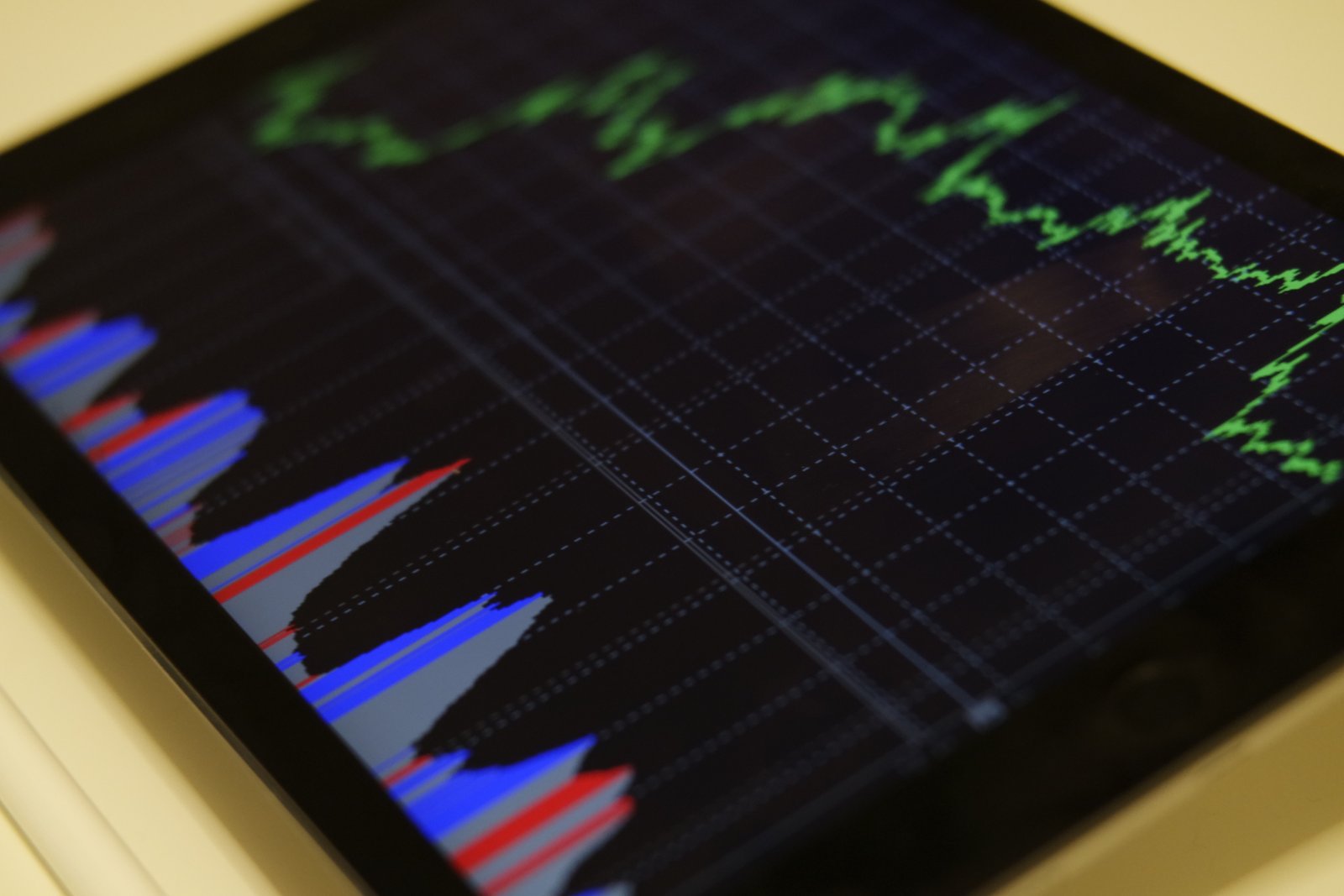
Introduction: In recent years, the use of Artificial Intelligence (AI) has become increasingly prevalent in various industries, and trading is no exception. With the advancements in technology and the availability of vast amounts of data, AI has emerged as a powerful tool to improve trading strategies and make more informed decisions. In this article, we will explore the benefits of trading with AI and provide a comprehensive guide on how to leverage this innovative technology in your trading endeavors. Understanding AI in Trading: Artificial Intelligence, in the context of trading, refers to the use of sophisticated algorithms, machine learning techniques, and advanced statistical models to analyze market data, identify patterns, and predict future trends. By processing vast amounts of information in real-time, AI-powered trading systems can make high-frequency trades, manage portfolios, and execute trading strategies with greater precision and efficiency than traditional methods. Advantages of Trading with AI: 1. Data-driven Decision Making: AI systems can analyze vast amounts of market data from various sources, including historical prices, economic indicators, news sentiment, and social media feeds. By leveraging this data, AI algorithms can identify patterns, correlations, and trends that may not be apparent to human traders, enabling them to make data-driven decisions and capitalize on lucrative trading opportunities. 2. Improved Accuracy and Speed: AI-powered trading systems can process market data and execute trades at an extraordinary speed, reducing latency and minimizing the risk of slippage. Additionally, AI algorithms can learn from past trading patterns and adapt to changing market conditions, improving the accuracy of trade predictions and optimizing trading strategies. 3. Risk Management and Portfolio Diversification: AI systems can assess risk factors, evaluate market volatility, and automatically adjust trading strategies to manage risks effectively. Moreover, AI algorithms can optimize portfolio diversification by balancing asset allocation based on historical performance and risk profiles, leading to better risk-adjusted returns. 4. Emotion-free Trading: One of the significant advantages of AI in trading is its ability to eliminate emotional biases from decision-making. Unlike human traders who may be influenced by fear, greed, or other psychological factors, AI systems operate based on predefined rules and algorithms, ensuring consistent and rational decision-making. How to Harness AI in Trading: 1. Data Collection and Preprocessing: Gathering relevant market data is a crucial step in harnessing AI in trading. Historical price data, news feeds, economic indicators, and other relevant information should be collected, cleaned, and preprocessed to ensure accuracy and consistency. 2. Development of AI Models: Once the data is ready, AI models need to be developed to analyze the data and make predictions. Techniques such as machine learning algorithms, neural networks, and deep learning can be utilized to train AI models and enable them to make accurate future forecasts. 3. Deployment and Testing: After developing the AI models, they should be deployed into a trading system or platform. It is crucial to thoroughly test the models using historical data or through paper trading before putting real money at risk. This testing phase helps refine the models and assess their performance. 4. Continuous monitoring and Improvement: The financial markets are dynamic and unpredictable, and thus, AI models should be continuously monitored and updated to adapt to changing market conditions. Regular evaluation of the model's performance and tweaking of parameters can enhance performance and profitability. Conclusion: Trading with AI offers numerous advantages, such as data-driven decision making, improved accuracy and speed, better risk management, and emotion-free trading. By understanding the fundamentals of AI in trading and following a well-defined approach, traders can leverage this cutting-edge technology to stay ahead of the game and maximize their profitability. However, it is essential to keep in mind that AI is a tool that requires continuous monitoring and fine-tuning to ensure optimal performance. So, for traders looking to adopt AI in their trading strategies, careful planning, testing, and ongoing analysis are crucial. To learn more, take a look at: http://www.thunderact.com Don't miss more information at http://www.apapapers.com visit: http://www.vfeat.com


