Navigating Privacy Laws and Regulations in Trading with AI
Category : aifortraders |
Sub Category : aifortraders Posted on 2023-10-30 21:24:53
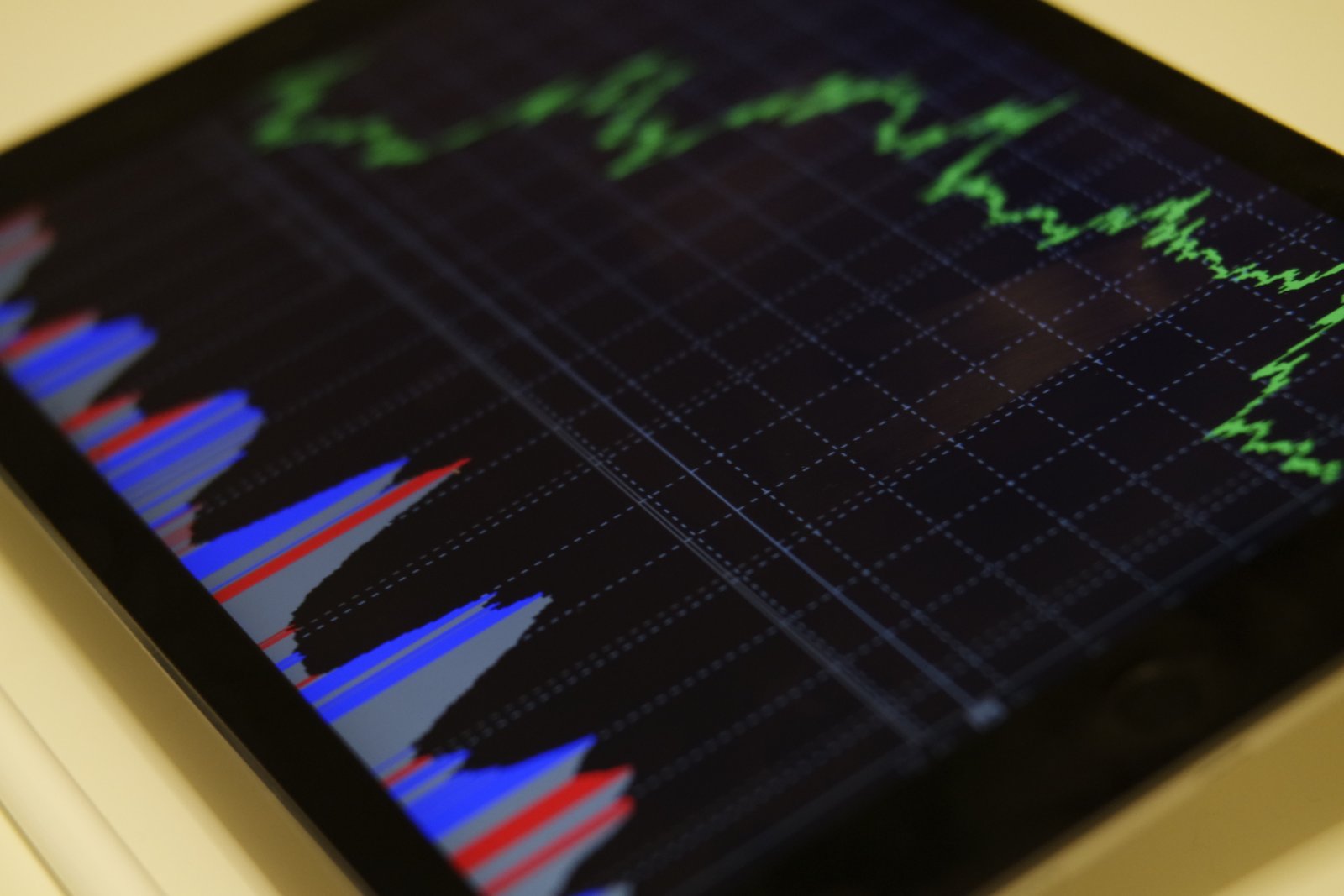
Introduction: Trading with artificial intelligence (AI) has revolutionized the financial industry. The use of AI algorithms and machine learning technologies in trading strategies has enabled traders to make more data-driven decisions and capitalize on market trends. However, the integration of AI in trading also raises important concerns about privacy and compliance with privacy laws and regulations. In this blog post, we will discuss the key considerations and best practices for navigating privacy laws and regulations when trading with AI. Understanding Privacy Laws and Regulations: To effectively address privacy concerns, it is crucial to have a clear understanding of privacy laws and regulations that apply to trading with AI. Different countries have varying legal frameworks governing data protection and privacy, such as the General Data Protection Regulation (GDPR) in the European Union, the California Consumer Privacy Act (CCPA) in the United States, and the Personal Information Protection and Electronic Documents Act (PIPEDA) in Canada. Familiarize yourself with the applicable laws, as failure to comply can lead to hefty penalties and reputational damage. Data Protection and Consent: One of the key aspects of privacy laws is obtaining consent from individuals whose personal data is being processed. When trading with AI, it is vital to ensure that the data used for training AI models, backtesting strategies, or making trading decisions complies with the consent requirements set forth by privacy laws. Traders must obtain clear and informed consent from individuals or ensure that the data they collect is anonymized and no longer falls under the scope of personal data. Enhanced Security Measures: AI-based trading systems often involve the collection and processing of vast amounts of sensitive data. To maintain compliance with privacy laws, it is crucial to implement robust security measures to protect this data from unauthorized access or breaches. This includes implementing encryption protocols, firewall systems, and access controls. Regular security audits and updates should be conducted to mitigate potential vulnerabilities and ensure data privacy. Data Minimization and Retention: An essential principle of privacy laws is data minimization, which means collecting and retaining only the necessary data for a specific purpose. Traders should evaluate the data they collect and store, ensuring that it aligns with their trading strategies and goals. Additionally, defining retention periods for different types of data is necessary to avoid excessive data storage, which can pose privacy risks. Once data is no longer needed for trading purposes, it should be securely disposed of, following recommended data destruction practices. Third-Party Data Sharing: Trading with AI may involve collaborating with third-party service providers or sharing data with external entities for analysis or risk assessment. In such cases, it is crucial to ensure that these third parties are compliant with privacy laws and have appropriate data protection measures in place. Enter into data-sharing agreements that define the responsibilities of each party and explicitly prohibit any unauthorized use or sharing of personal data. Transparency and Accountability: Transparency and accountability are essential components of privacy laws and regulations. Traders must clearly communicate their data practices, including the use of AI algorithms, to individuals whose data is being processed. This can be achieved through privacy policies and notices that outline the purpose, legal basis, and implications of data processing. Additionally, it is crucial to appoint a designated privacy officer or team responsible for ensuring compliance, conducting periodic privacy audits, and addressing any privacy-related concerns or breaches promptly. Conclusion: Trading with AI offers tremendous opportunities for market participants, but it also necessitates an understanding of and compliance with privacy laws and regulations. By taking proactive steps to navigate privacy requirements in AI-based trading, traders can ensure the responsible and ethical use of personal data while minimizing the risk of legal consequences or reputational damage. Upholding privacy as a core value while harnessing the power of AI will foster trust among investors, regulators, and the broader financial community. You can also Have a visit at http://www.privacyless.com If you're interested in this topic, I suggest reading http://www.thunderact.com More in http://www.vfeat.com


