A Comprehensive Guide to Trading with AI: Spider Feeding Guide
Category : aifortraders |
Sub Category : aifortraders Posted on 2023-10-30 21:24:53
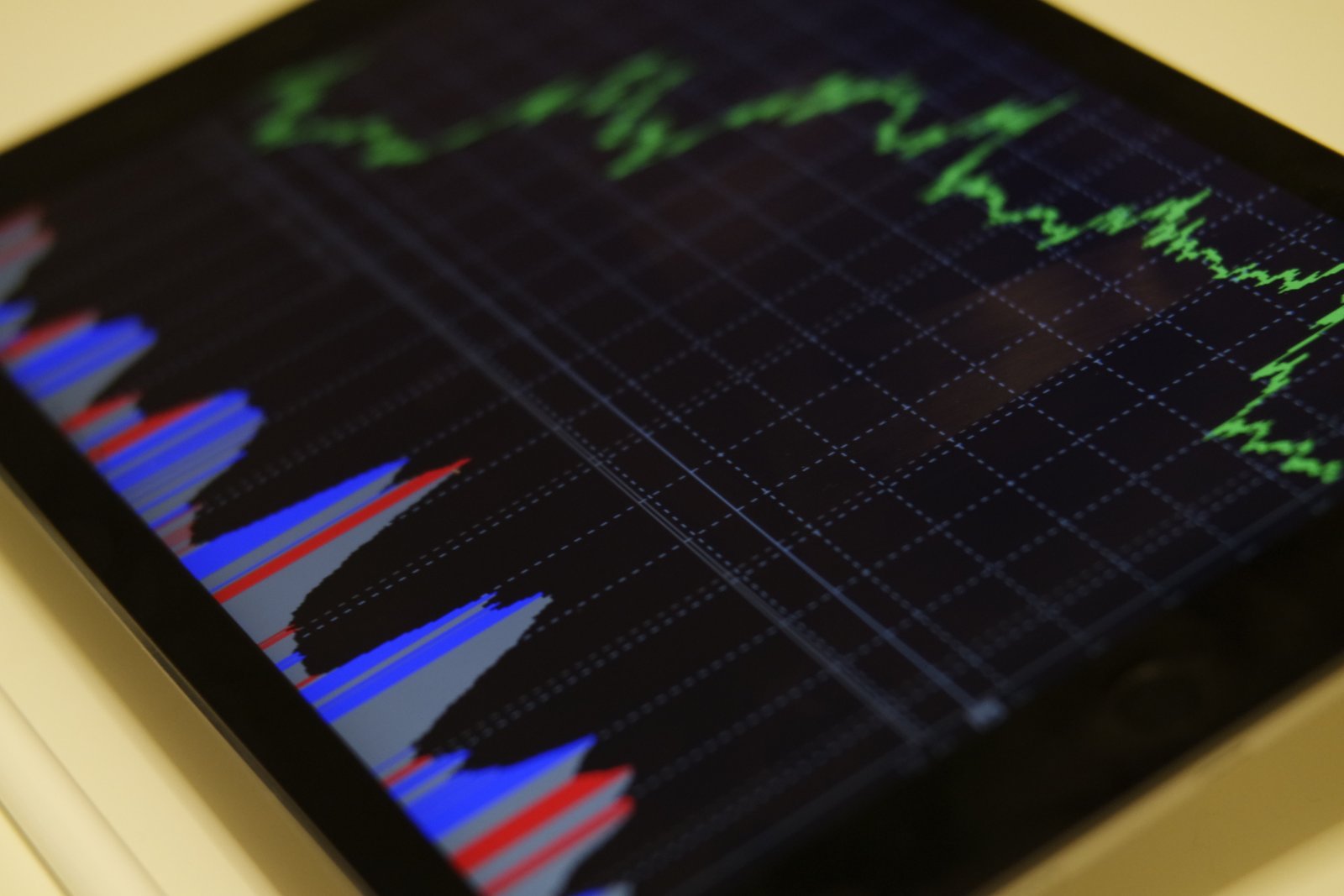
Introduction: Trading has come a long way with the advancements in technology, particularly in the field of artificial intelligence (AI). Today, traders are increasingly relying on AI-powered tools and algorithms to make better-informed decisions and enhance their trading strategies. In this blog post, we explore the concept of trading with AI and provide a detailed spider feeding guide to help traders navigate this exciting new world. Understanding Trading with AI: Trading with AI involves using sophisticated computer algorithms to analyze vast amounts of data and make trading decisions based on predefined rules and patterns. These AI systems can monitor market trends, analyze historical data, identify trading opportunities, and execute trades without human intervention. Spider Feeding Guide for Trading with AI: 1. Choosing the Right AI Trading Platform: Before diving into trading with AI, it's crucial to select the right platform that suits your needs. Look for platforms that offer advanced features like real-time market data, customizable indicators, backtesting capabilities, and a user-friendly interface. Additionally, consider platforms that provide access to a wide range of markets and investment instruments. 2. Setting Up Data Feeds: Accurate and timely data is the backbone of AI trading. Configure your AI trading platform to pull data from reliable sources such as financial news websites, market databases, and trading API feeds. Ensure that the platform can handle high-frequency data updates to provide you with real-time insights. 3. Designing Your AI Strategy: Developing a robust trading strategy is an essential step in trading with AI. Clearly define your trading goals, risk tolerance, and investment horizon. Then, leverage the power of AI to design a strategy that aligns with your objectives. Consider factors like technical indicators, price patterns, and market sentiment analysis to create a comprehensive and well-calibrated strategy. 4. Feeding the AI Model: To make accurate predictions, the AI algorithms need to be trained on relevant data. Feed historical market data into the AI model to enable it to learn from past trends and behaviors. Ensure the data spans different market conditions and includes both winning and losing trades. Regularly update the AI model with new data to adapt to changing market dynamics. 5. Implementing Risk Management: Risk management is a critical component of successful trading. Define risk parameters within your AI trading strategy, such as stop-loss and take-profit levels. Set appropriate position sizing rules to limit potential losses and protect your capital. Additionally, regularly monitor your AI trading system's performance and make adjustments as required. 6. Continuous Learning and Improvement: As markets evolve, so should your AI trading strategy. Monitor the performance of your AI model and identify areas for improvement. Analyze the results of your trades and assess whether the outcomes align with your expectations. Use this feedback loop to refine your strategy, incorporate new data, and optimize the performance of your AI trading system. Conclusion: Trading with AI offers traders unparalleled opportunities for enhanced decision-making and increased profitability. By following this spider feeding guide, traders can navigate the exciting world of AI-powered trading effectively. Remember, trading with AI is not a guaranteed path to success, but with careful planning, continuous learning, and refinement, it can be a powerful tool to achieve your trading goals. Embrace the transformative potential of AI and unlock a new era of trading possibilities. You can also check following website for more information about this subject: http://www.thunderact.com For the latest insights, read: http://www.vfeat.com Want to expand your knowledge? Start with http://www.petyro.com


