The Rise of High-Frequency Trading with AI in US Startups
Category : aifortraders |
Sub Category : aifortraders Posted on 2023-10-30 21:24:53
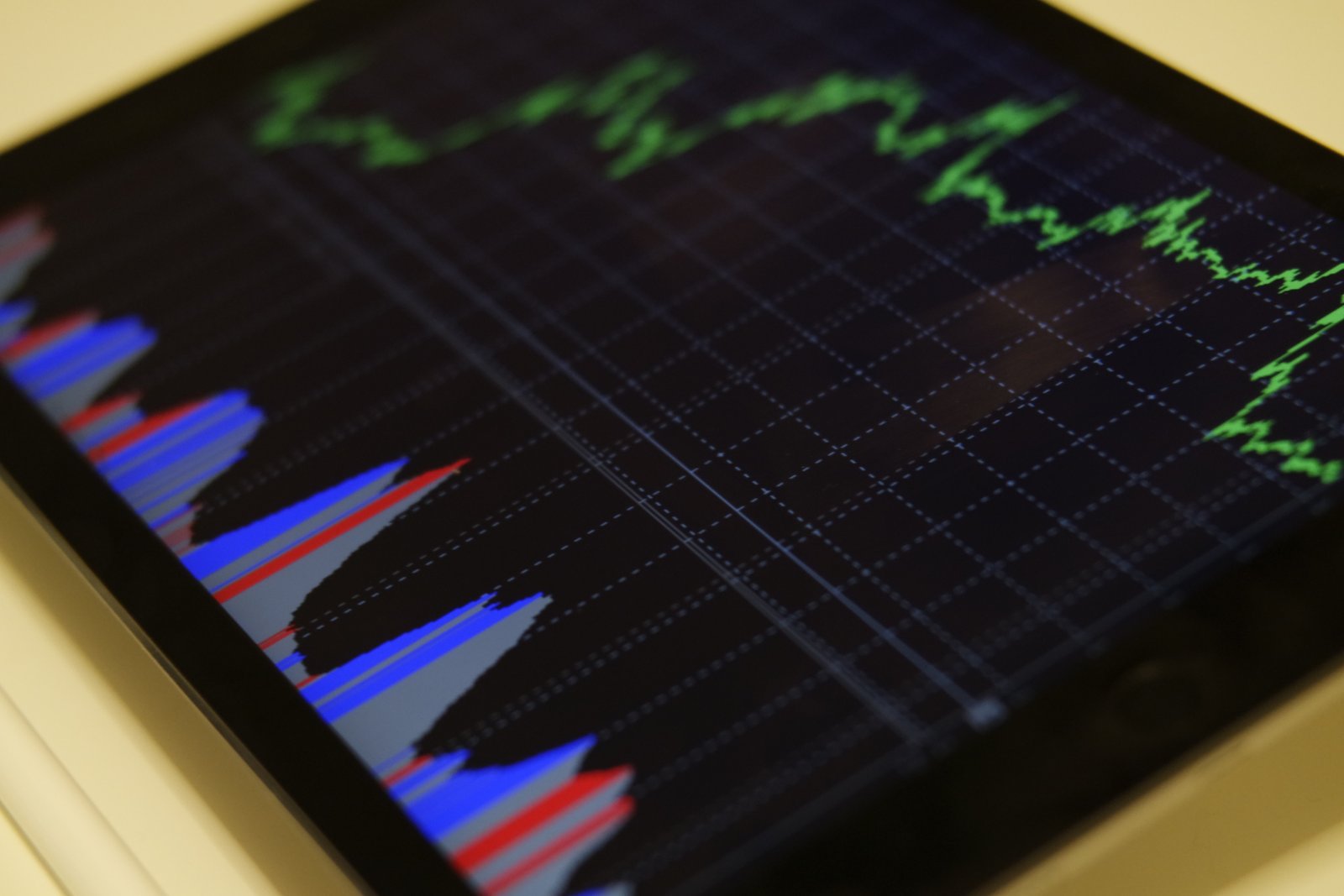
Introduction: In recent years, the field of high-frequency trading (HFT) has undergone a significant transformation. With advancements in artificial intelligence (AI) and machine learning, US startups are revolutionizing the way financial institutions execute trades. This blog post delves into the rise of high-frequency trading with AI in US startups, exploring the benefits, challenges, and implications of this cutting-edge technology. 1. The Basics of High-Frequency Trading: High-frequency trading refers to the practice of executing large volumes of trades at extraordinary speeds, leveraging ultra-low-latency systems and complex algorithms. This approach allows traders to profit from small price discrepancies in the market, often within milliseconds. HFT has become a key strategy employed by hedge funds, proprietary trading firms, and investment banks. 2. The Integration of AI in High-Frequency Trading: The integration of AI in high-frequency trading has unlocked unprecedented opportunities for US startups. By leveraging advanced machine learning algorithms and powerful computing systems, these startups can analyze massive volumes of data, identify patterns, and make split-second trading decisions with improved accuracy and consistency. AI enables HFT systems to adapt in real-time to market changes, enhancing profitability and reducing risks. 3. Benefits of High-Frequency Trading with AI: a) Increased Speed and Efficiency: AI-powered HFT systems can execute thousands of trades per second, significantly surpassing human capabilities. This speed allows for timely trading decisions and maximizes profit potential. b) Enhanced Market Liquidity: By participating in a large number of trades, HFT with AI improves market liquidity, thereby benefiting other market participants. c) Improved Risk Management: AI algorithms can swiftly detect and respond to potential market anomalies or risks, minimizing losses and safeguarding investments. 4. Challenges and Considerations: a) Regulatory Oversight: With the increasing importance of AI in HFT, regulators face the challenge of establishing appropriate oversight mechanisms to ensure fair markets and prevent market abuses. b) Technical Infrastructure: Implementing AI-powered HFT requires robust and efficient technical infrastructure capable of handling vast amounts of data and executing trades at lightning speed. c) Ethics and Fairness: As AI algorithms dominate high-frequency trading, questions surrounding fairness, ethics, and potential biases arise. Addressing these concerns is crucial to maintain market integrity. 5. Implications for the Financial Industry: The adoption of high-frequency trading with AI has implications for various stakeholders: a) Job Displacement: Traditional trading roles may face automation, leading to job displacement within financial institutions. b) Evolution of Trading Strategies: AIs ability to learn and adapt quickly can lead to the emergence of new trading strategies and market dynamics. c) Improved Market Efficiency: As AI-powered HFT enhances market liquidity and reduces bid-ask spreads, overall market efficiency may improve. Conclusion: High-frequency trading with AI is rapidly transforming the landscape of financial markets. US startups are at the forefront of this revolution, leveraging AI-powered algorithms to execute trades with lightning speed and superior accuracy. While this technology offers numerous benefits, it also presents challenges in terms of regulation, technical infrastructure, and ethical considerations. As the financial industry evolves, it is crucial to strike a balance between harnessing the potential of AI and maintaining market fairness and integrity. Don't miss more information at http://www.usazilla.com


